FAQ

Frequently asked questions.

What Gohona Bori is, why it is only made in winter, how the residency works, and how to order.

01

About the craft

What Gohona Bori is, where it comes from, and why it is only made in winter.

What is Gohona Bori?#

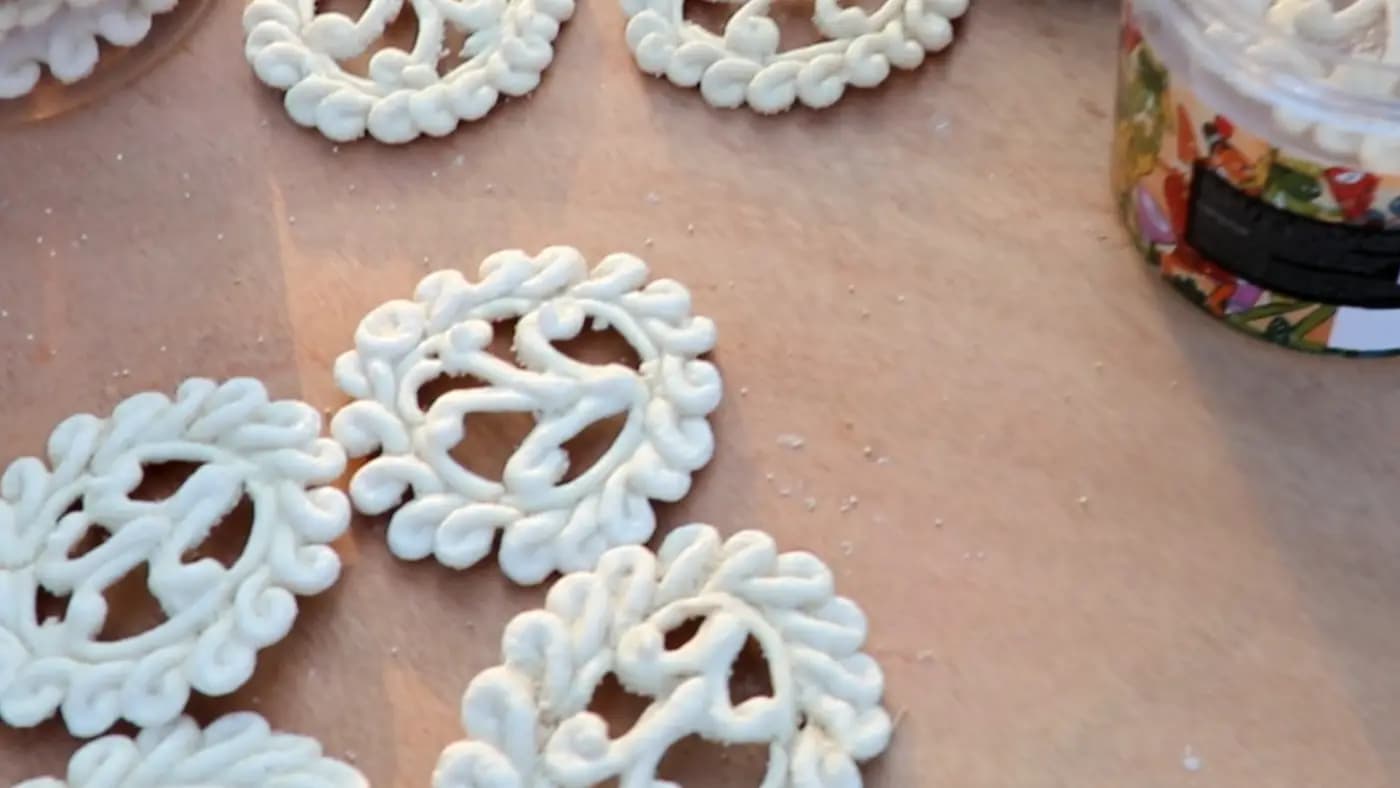
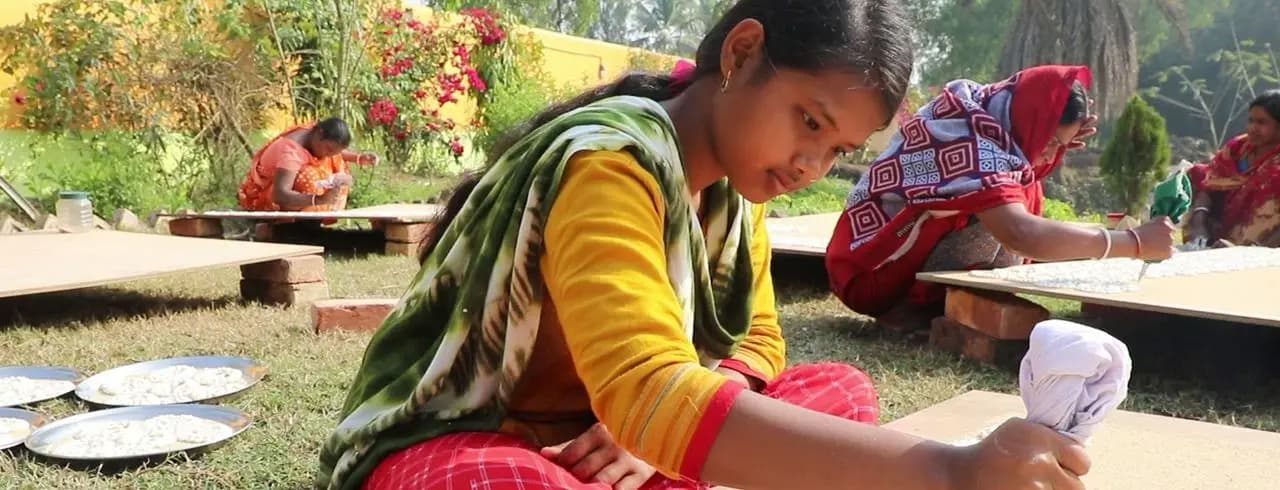
Gohona Bori — also called Naksha Bori — is a Bengali food art: lentil paste shaped by hand into jewellery. Lentils are soaked overnight, ground into a paste and seasoned. The paste is then piped by hand into patterns so fine they look like alpana drawn in relief. The shaped bori are set out in the winter sun to dry, then fried and eaten.
More about the craft

Why is it called ‘Gohona’ Bori?#

‘Gohona’ means jewellery. The name is literal. The patterns pressed into each piece are the same motifs a Bengali household would recognise from ornaments and from the alpana painted on a courtyard floor.

Is there historical significance to this food art?#

Nandalal Bose called them jewels found in the frangible box of Mother Bengal. Rabindranath Tagore was struck enough by the designs to have them preserved on the walls of Visva-Bharati.

In Purba Medinipur, Gohona Bori was once a status symbol. When a daughter married, her parents gave her Gohona Bori to carry with her to her new home.

Where is Gohona Bori traditionally made?#

In Purba Medinipur, West Bengal. The lentil it is made from, biuli’r dal, is grown in the fields here. The residency teaches it at Chauddhachuli, a village in the Khejuri II block of the district.

Why is Gohona Bori only made in winter?#

The batter needs cold air to rise properly while it is being whisked. The shaped bori need clear, mellow winter sun to dry to the right crispness and the right white. If the sky clouds over halfway through a day’s work, the batch is lost — soaked lentil paste cannot be stored and used later.

So it is made only between November and February, when the mornings here sit around 10–15°C.

Is the process mechanised?#

No. It is made entirely by hand. The lentils are ground on sheel-nora, the traditional grinding stone. Purists say a blender changes the texture, and here we agree with the purists.

What is biuli’r dal, and is it the same as urad dal?#

Not quite. Biuli’r dal is a local variant grown in Purba Medinipur fields. It is from the same family as urad dal, but prized here for its texture and finish.

How long does a batch keep?#

Gohona Bori keeps for a year. Store it in a cool place, in sealed bottles or any closed container, and pack it loosely: the pieces are fragile.

How is Gohona Bori eaten?#

There is one way: fry it lightly, just before serving.

Still have a question?

Ask us directly.

We read every enquiry ourselves. Or, if you already know you would like to come, tell us who you are and when.