 01
Two nights
You arrive, the lentils go into water overnight, and the batter is built over two stages the next day. You are guided through grinding, shaping and setting out.
Gohona Bori is a delicate love letter written in lentil batter and sunlight. Join us for a two-day village residency in Purba Medinipur to learn the fine art of hand-piped ornaments.(Sessions run on alternate weekends from Dec 2026 to Feb 2027)
Winter 26–27
The Gohona Bori Residency
Claim your spotat the winter piping table.
See all dates


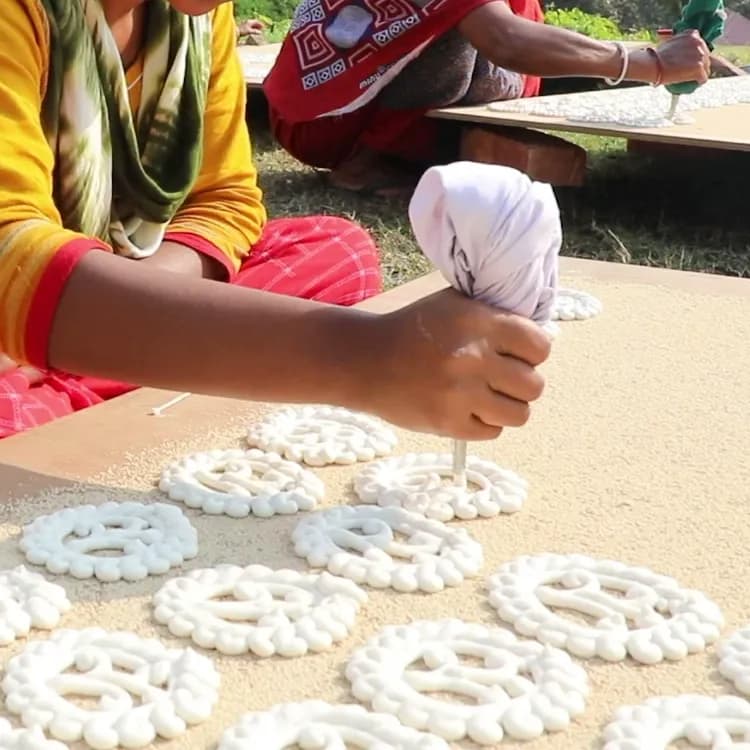
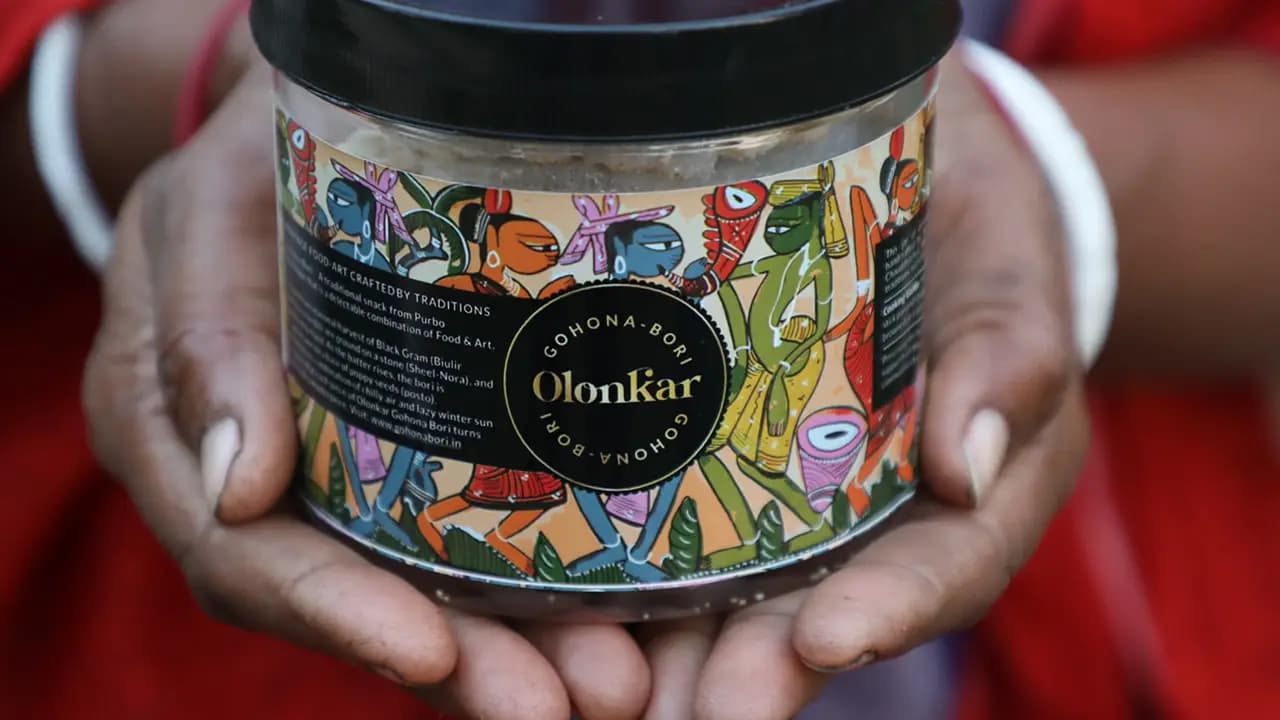
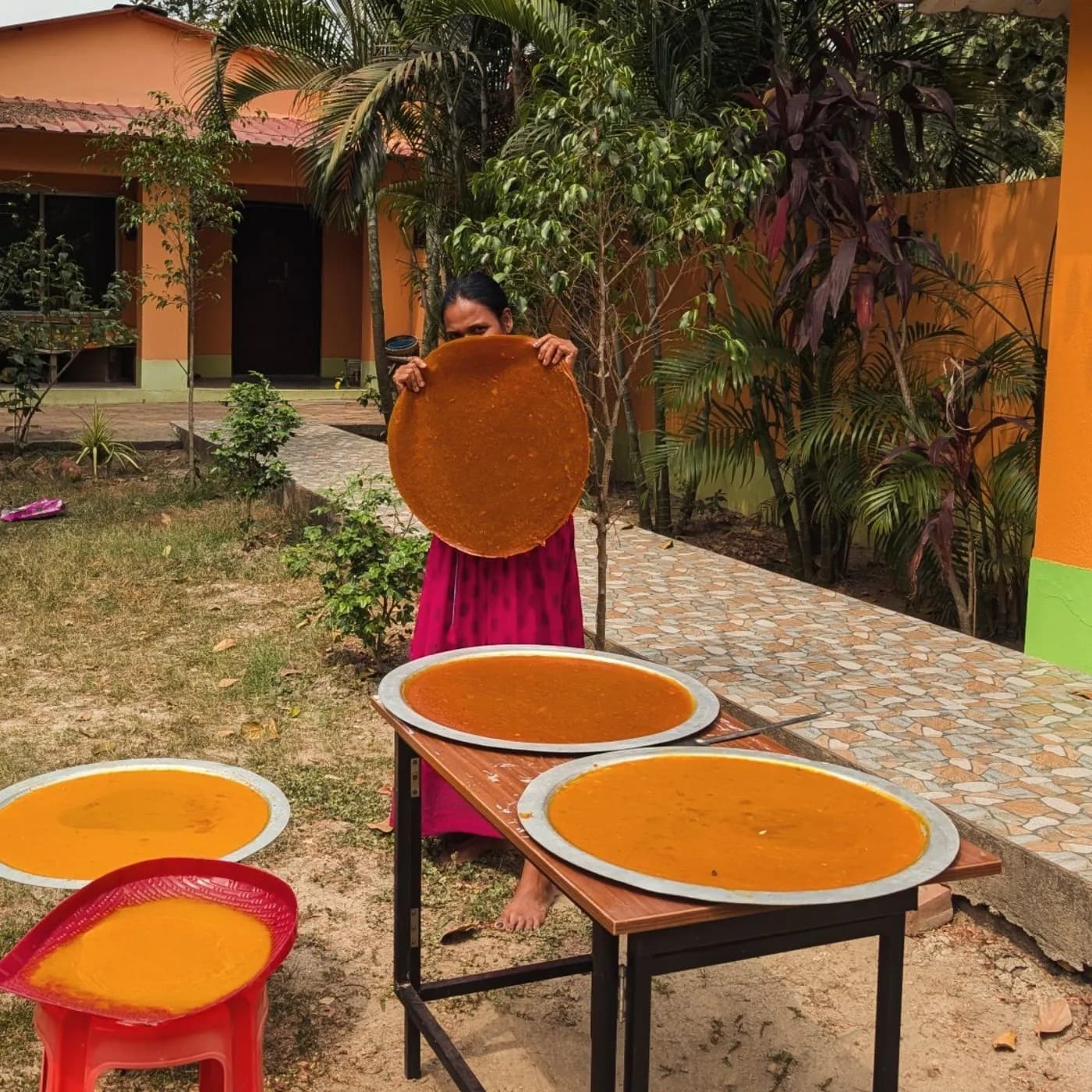
Gohona Bori — also called Naksha Bori — is made by soaking lentils overnight, grinding them into a paste, seasoning it, and then piping that paste by hand into patterns so fine they look like alpana drawn in relief. The shaped bori are set out in the winter sun to dry, then fried and eaten.
‘Gohona’ means jewellery. The name is literal. The patterns pressed into each piece are the same motifs a Bengali household would recognise from ornaments and from the alpana painted on a courtyard floor.
Nandalal Bose called them jewels found in the frangible box of Mother Bengal. Rabindranath Tagore was struck enough by the designs to have them preserved on the walls of Visva-Bharati.
Read more about the craft →The 7-step Ritual







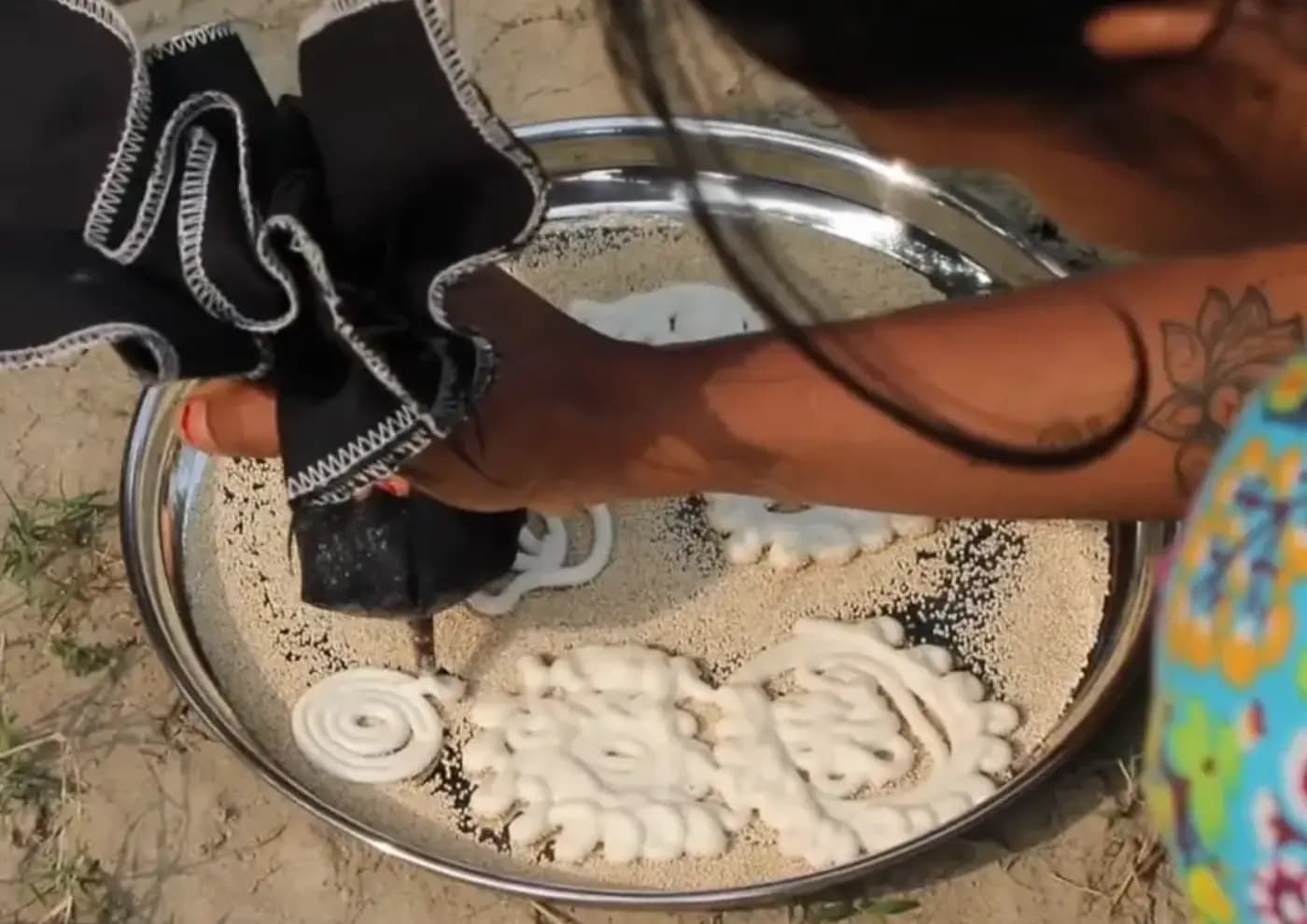
The season decides, not us.
The batter needs cold air to rise properly while it is being whisked. The shaped bori need clear, mellow winter sun to dry to the right crispness and the right white.
If the sky clouds over halfway through a day’s work, the batch is lost — soaked lentil paste cannot be stored and used later.
Which is why sessions run only between November and February, when the mornings here sit around 10–15°C. It is also why the shop takes orders in advance and nothing is available year-round.
Two winter nights, hand crafted, in village stillness
01 03
Every programme is custom designed, in conversation between you and the Turiyo team.
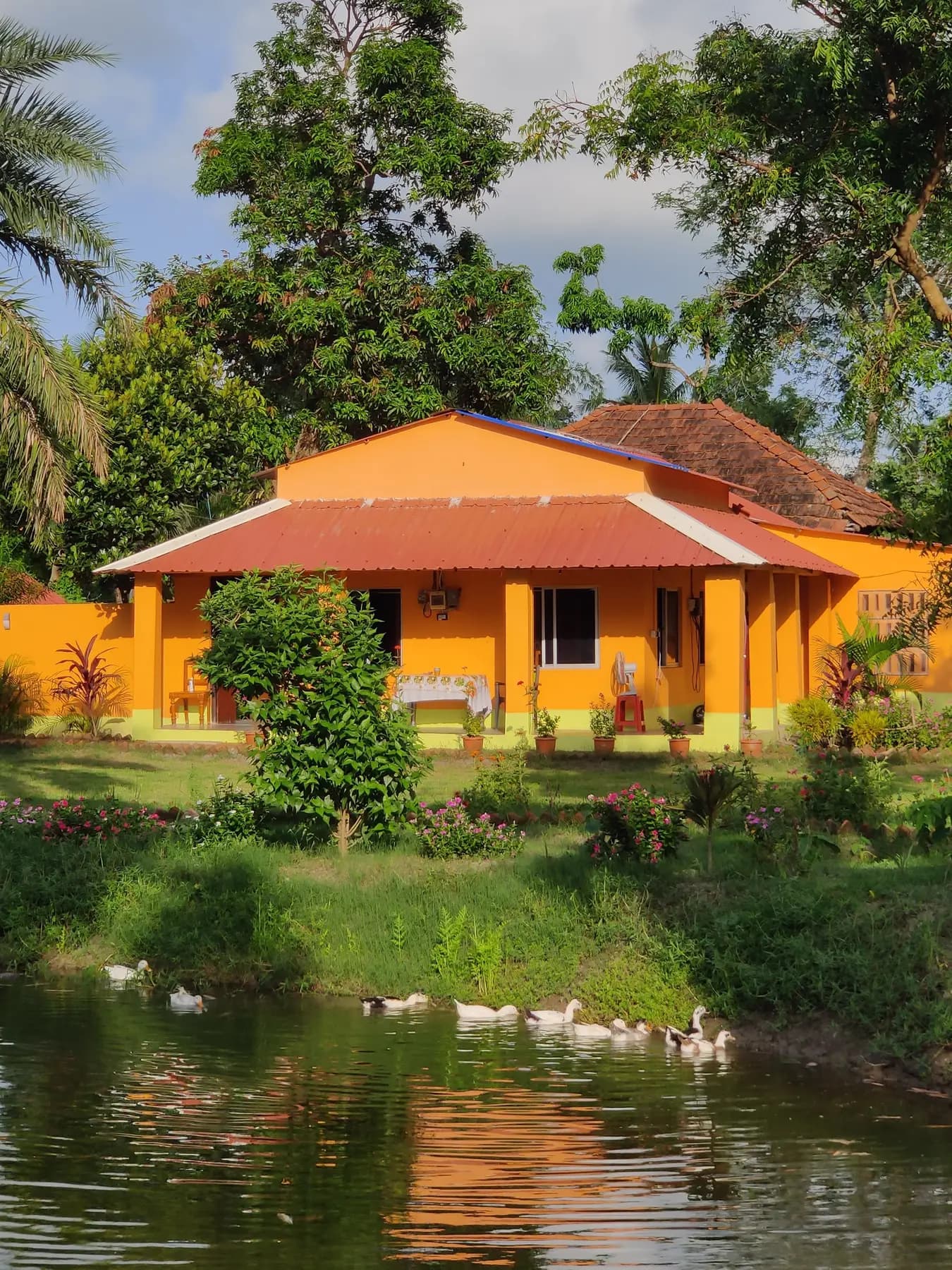
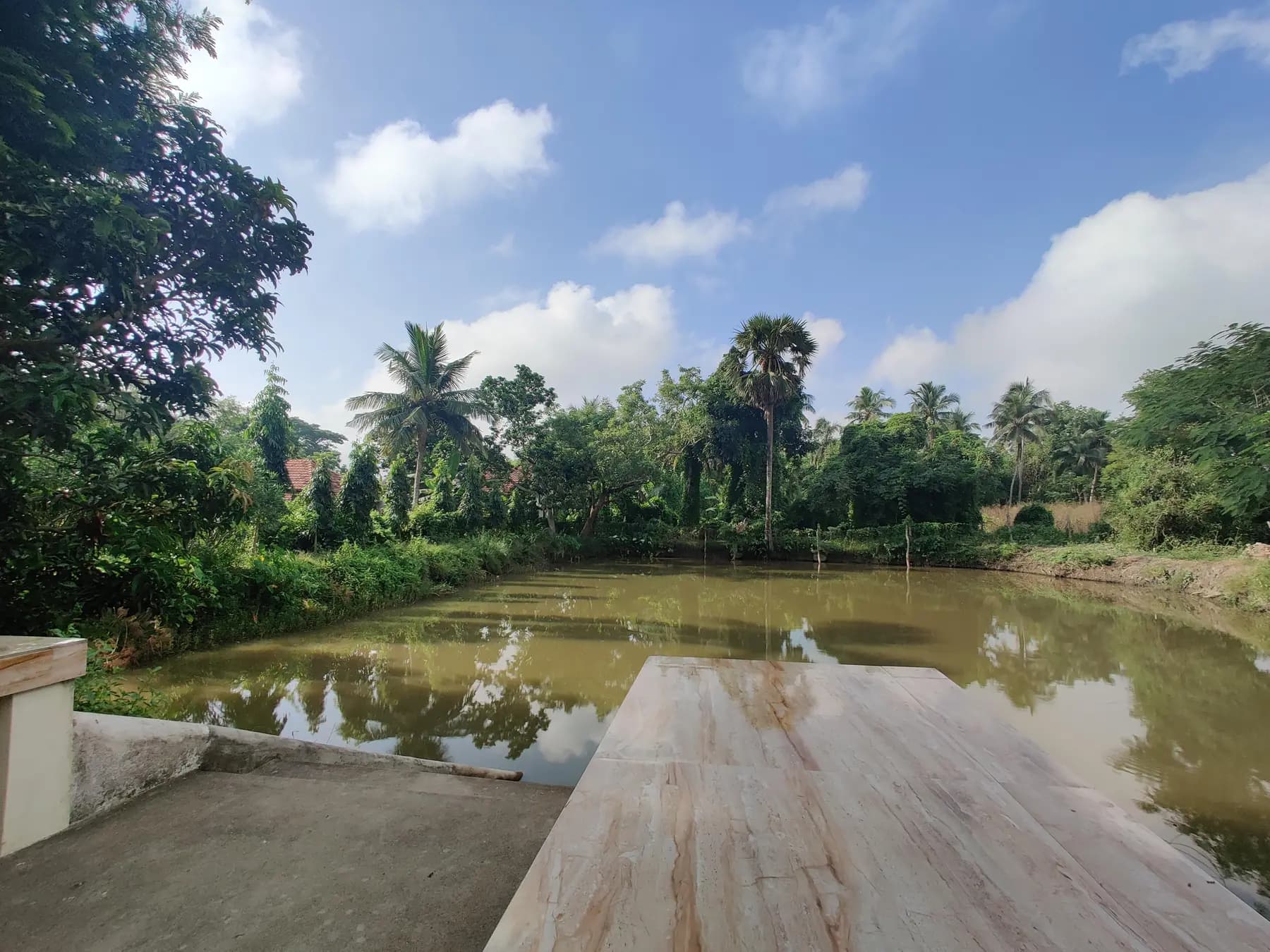
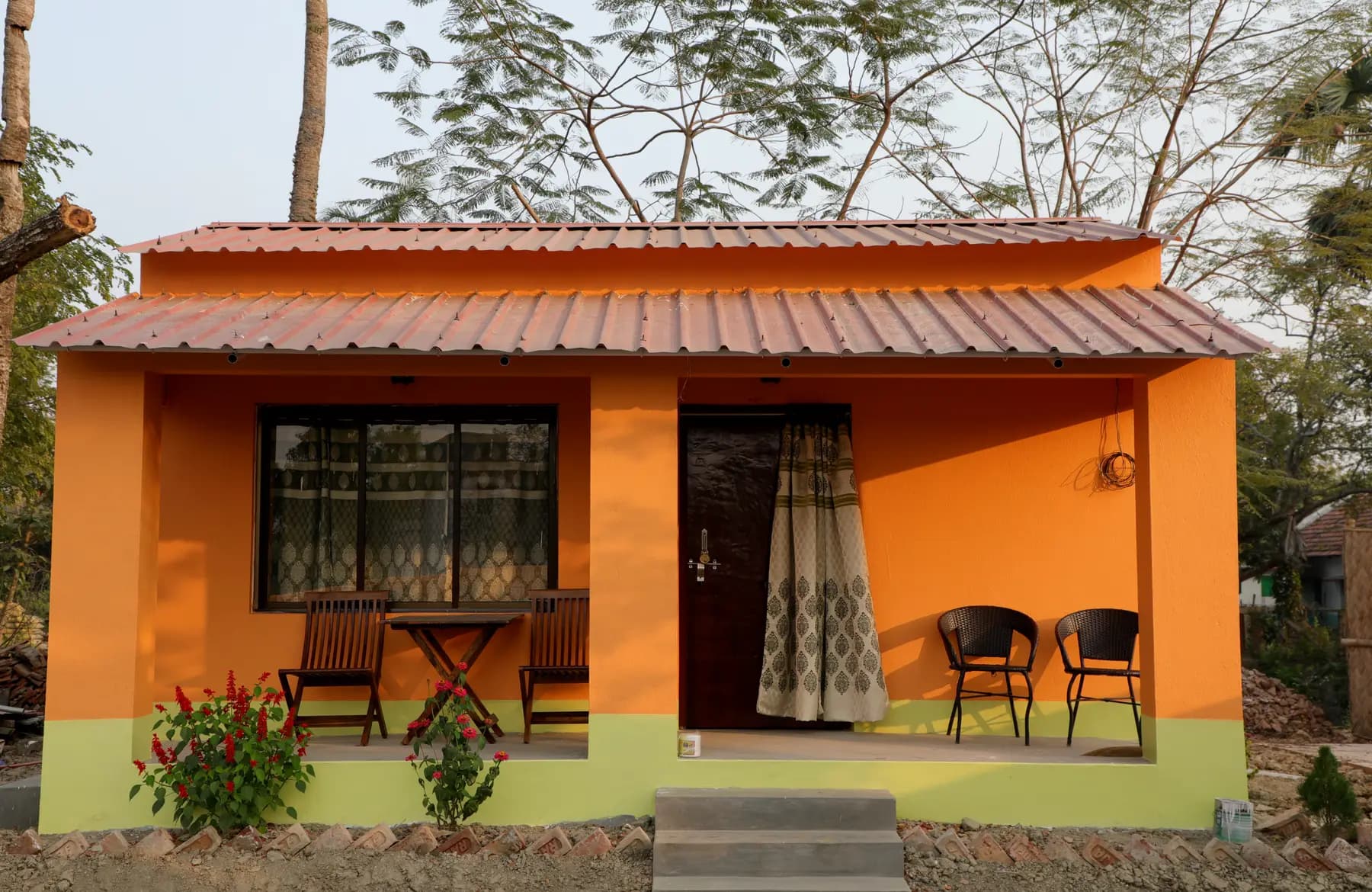
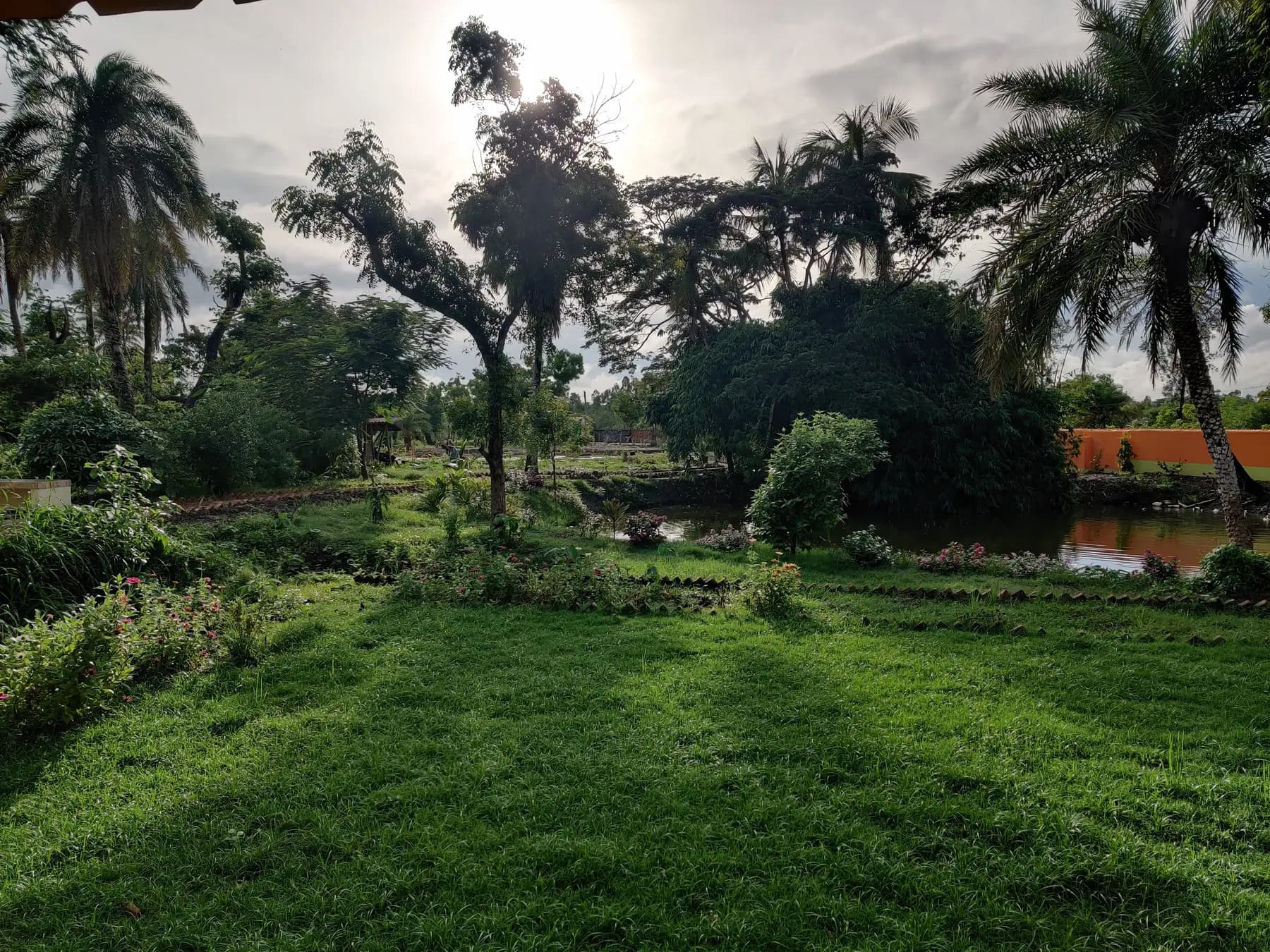
You stay at the Maiti Bastu (the family homestead) in Chauddhachuli — a remote village in Khejuri II, Purba Medinipur. The original quadrangular mud house has given way to brick, but the trees, the ponds and the contours of the land are as they were. The stay is not accommodation attached to a workshop. It is half the reason to come.
The Stay →তুরীয়Sanskrit for “the fourth”
Turiyo is the state of pure consciousness beyond waking, dreaming and deep sleep, described in the Mandukya Upanishad. Turiyo Residency takes its name from it.
It grew from Sandip Maiti’s Conscious Living Framework, which holds that a spiritual life need not mean leaving the material one: we live in the karmic plane, and can still walk toward consciousness through work, detachment, and the paths of devotion, knowledge and yoga, all at once.
From the Maiti family’s nine-generation Bastu in Chauddhachuli, rural Bengal, Turiyo puts that thinking into practice by keeping memories, crafts and stories alive, and passing them on.
Turiyo began working on Gohona Bori in November 2021, and for the first stretch the plan was the obvious one: build a market, scale production, get the product into cities. We have moved away from that.
The goal now is narrower and, we think, more useful. Keep the craft intact in its traditional form. Teach it to anyone genuinely interested in learning it. Let it survive on its own terms rather than on the terms commercialisation would impose on it.
A small quantity is still made to order each winter, for people who want the thing itself rather than the lesson. That is the shop. It is not the business.
Population 3,903. Nine villages in the Haludbari gram panchayat. A haat that sets up every Wednesday and Sunday. A school founded in 1885. The ruins of what may be India’s oldest post office, twenty minutes away. Two district-champion girl footballers. A man who has sung at local ceremonies for forty years.
You will have time here. It is worth knowing where you are.
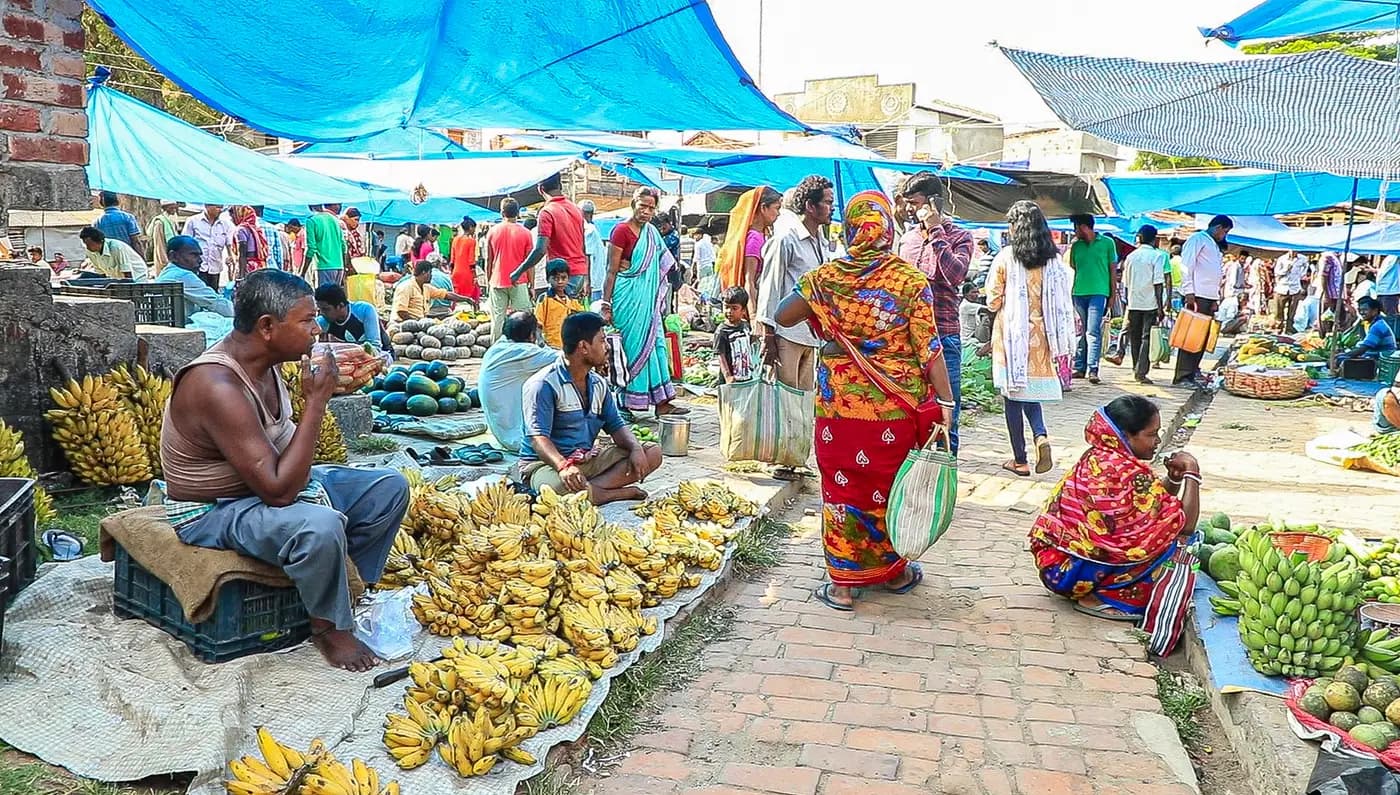
The village market that sets up every Wednesday and Sunday, and the lifeline of the locals.
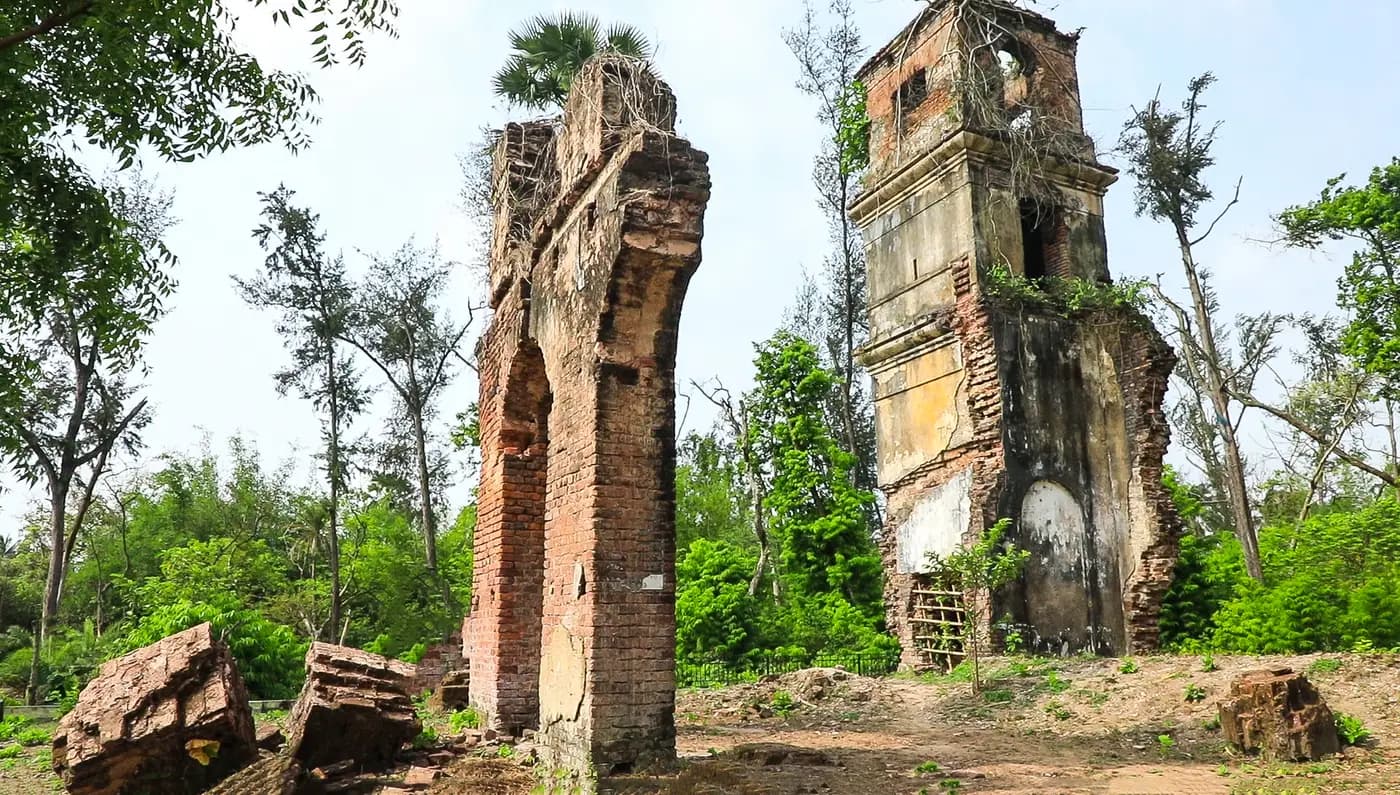
The ruins of what is said to be India's oldest post office, twenty minutes' drive away.
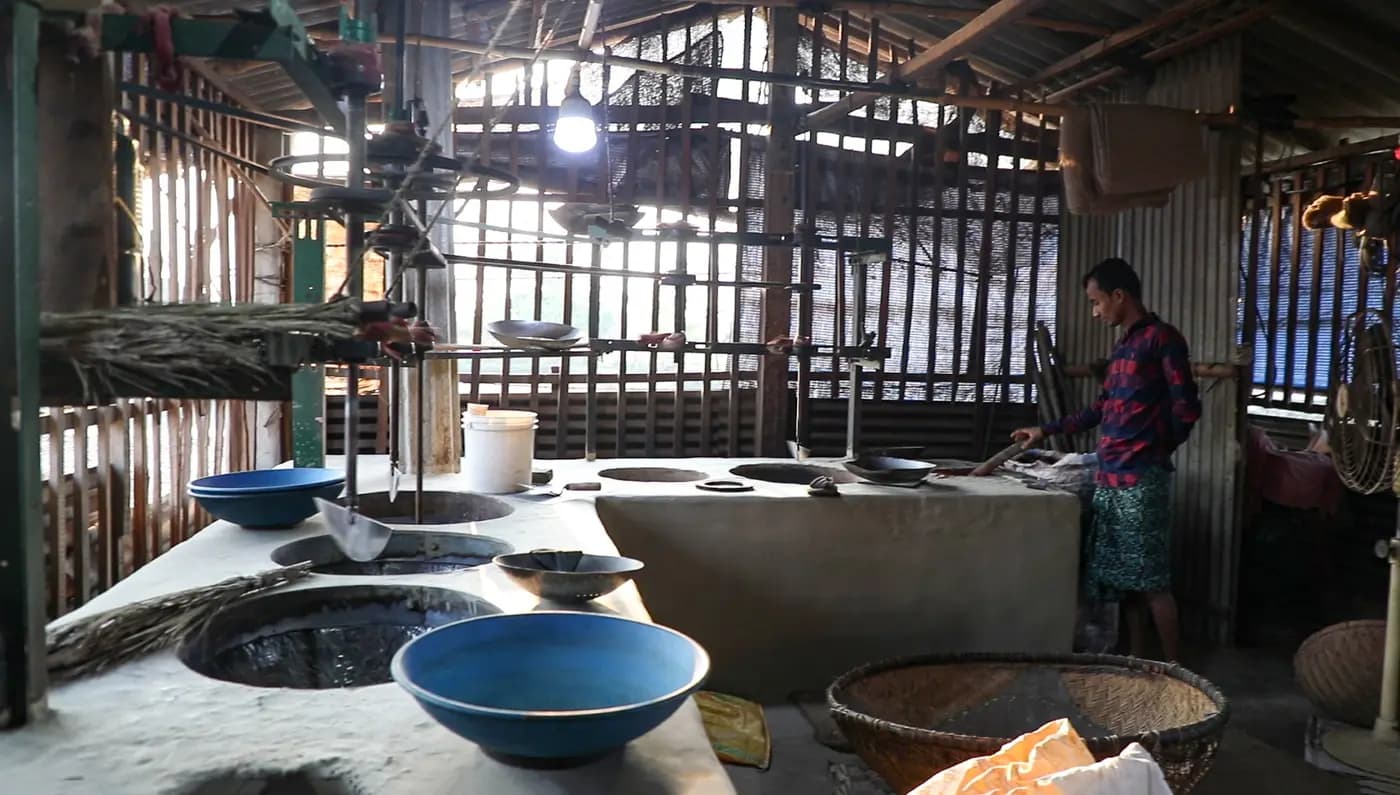
Muri is the staple after rice here, and a handful of local mills still make it by an indigenous process.
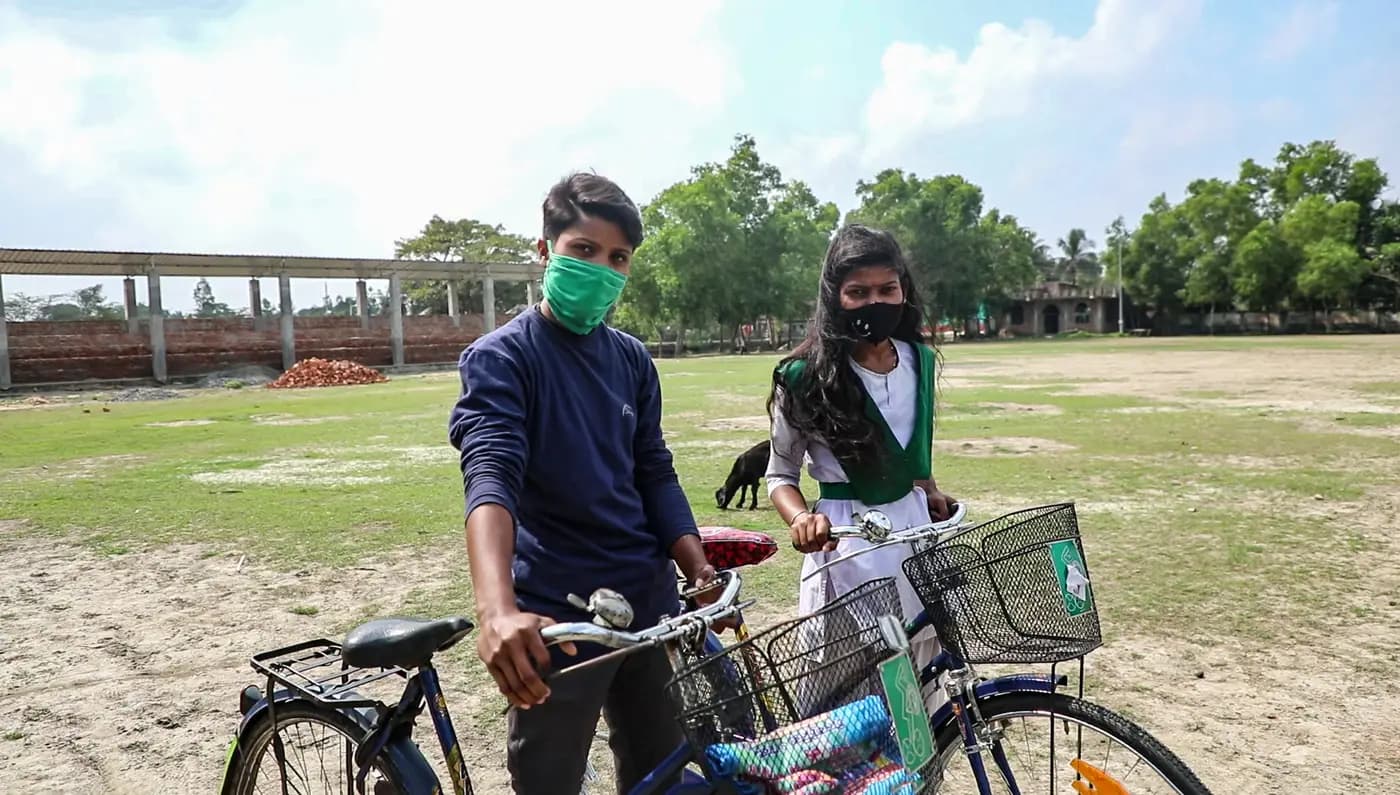
Two girls from Holudbari High School who became district champions in women’s football.
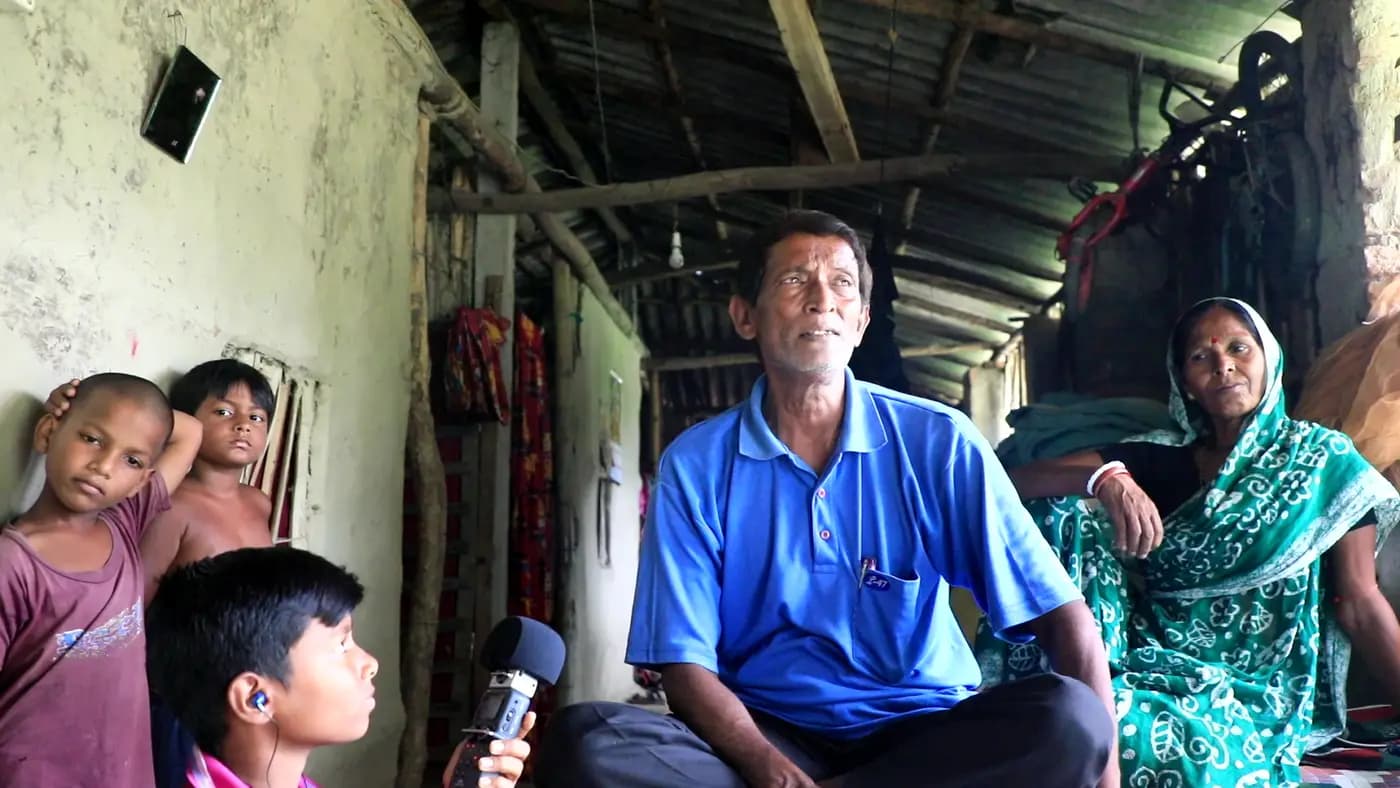
A farmer, and a full-time musician who has sung at local ceremonies for forty years.
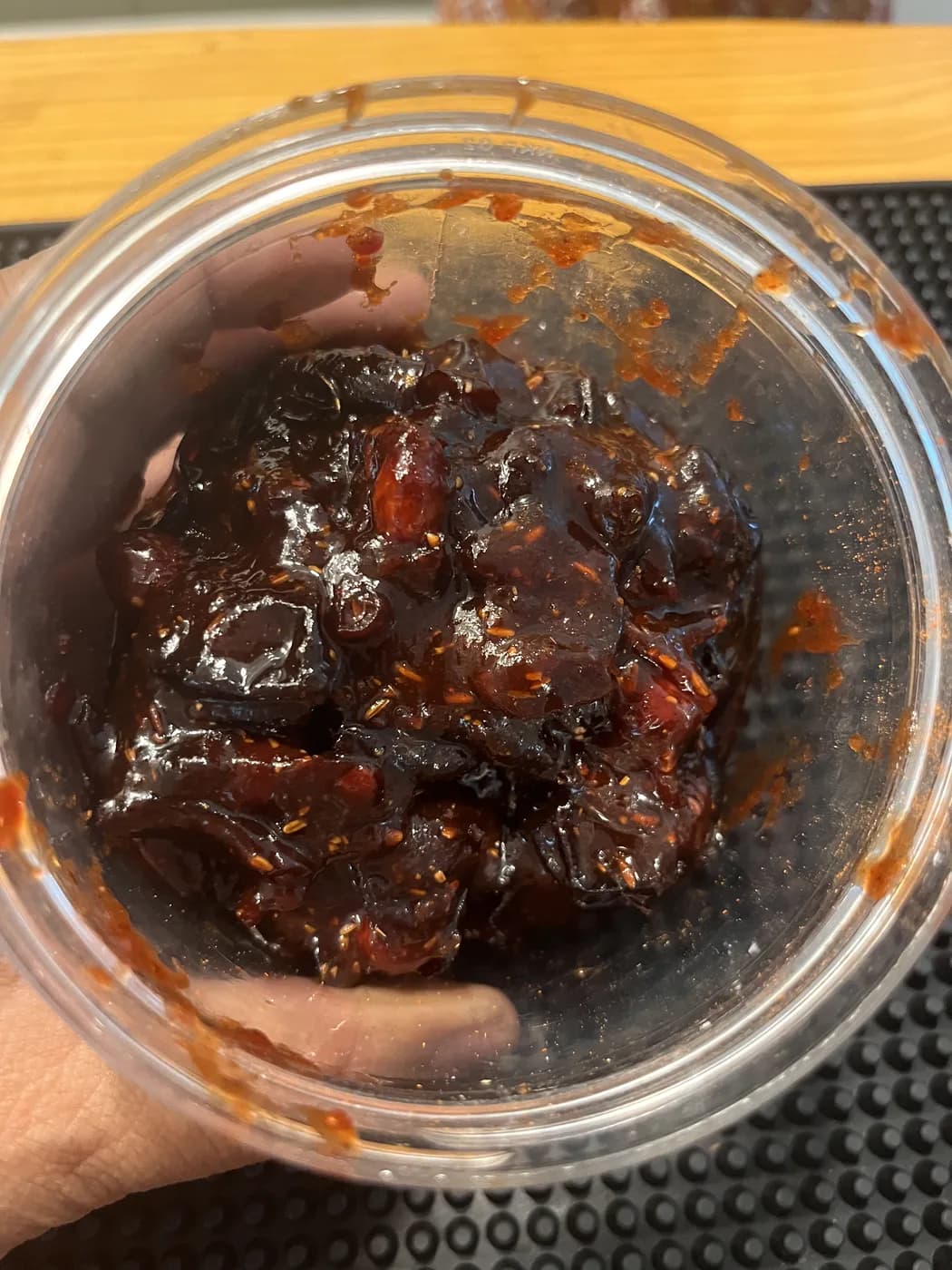
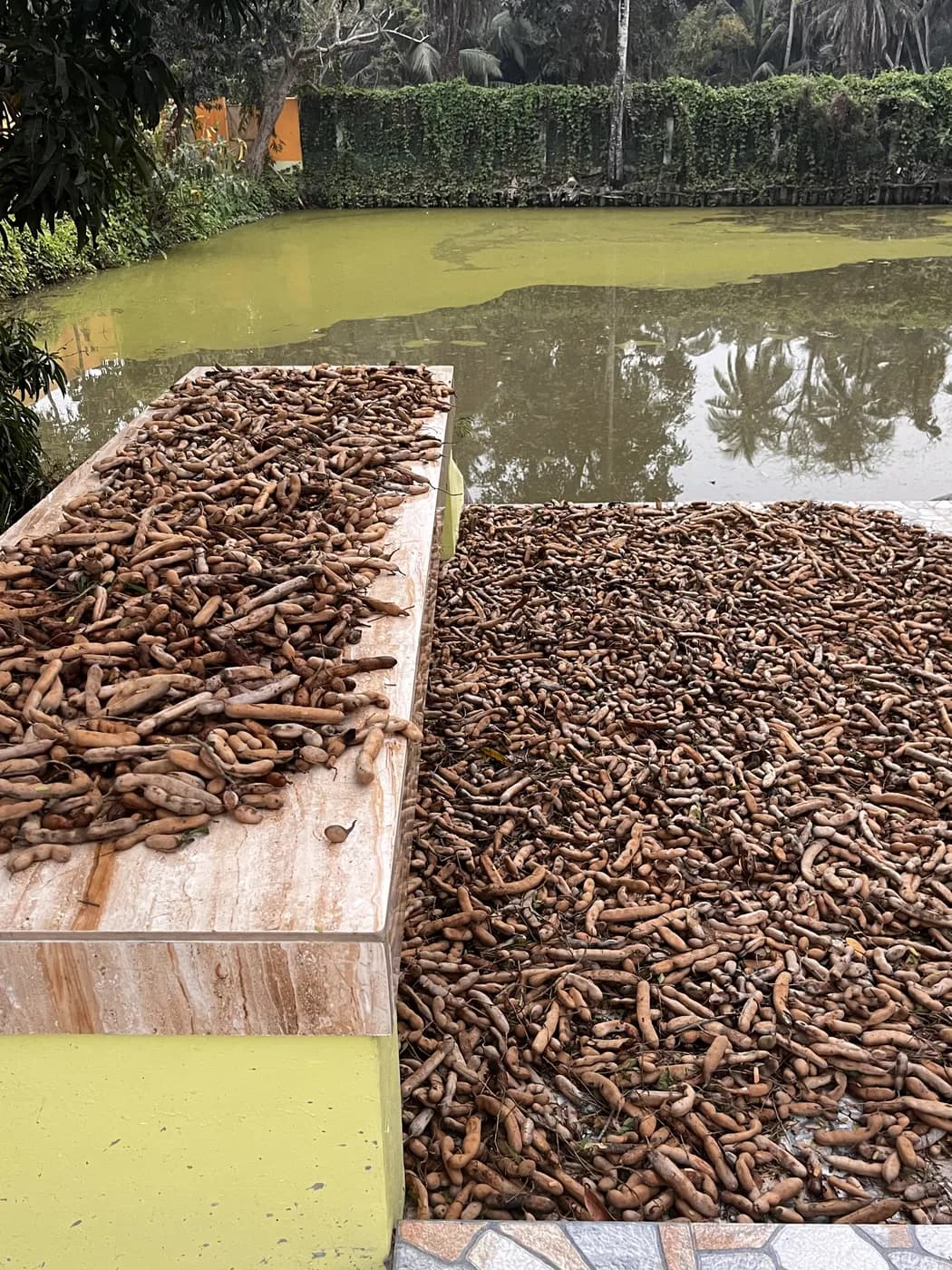
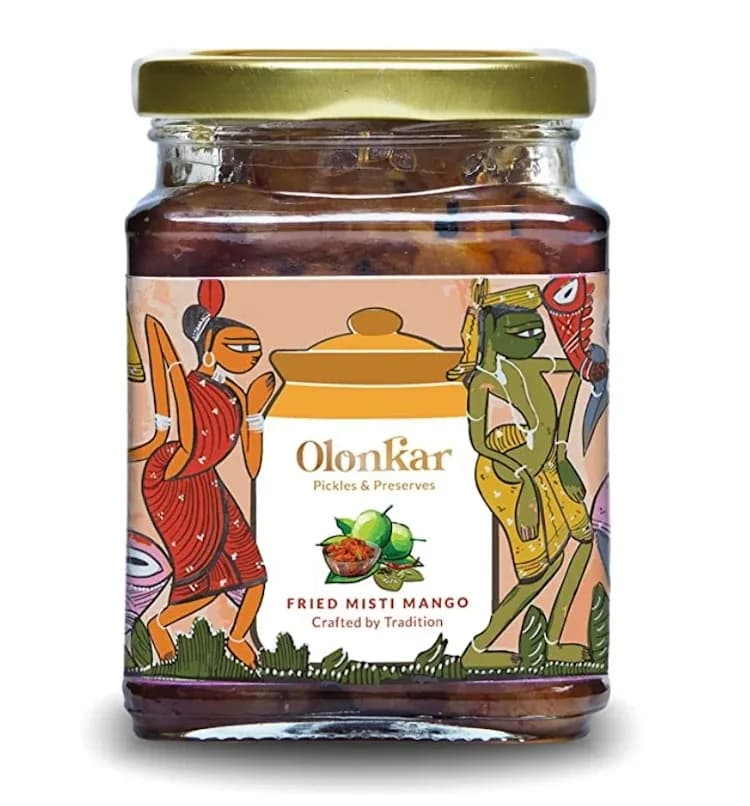
Gohona Bori in winter, pickles and Aamsotto through spring and summer, each in its own production window. All handmade by the women of Chauddhachuli. Advance booking only: quantities are fixed before each batch, and we serve a handful of customers each year.
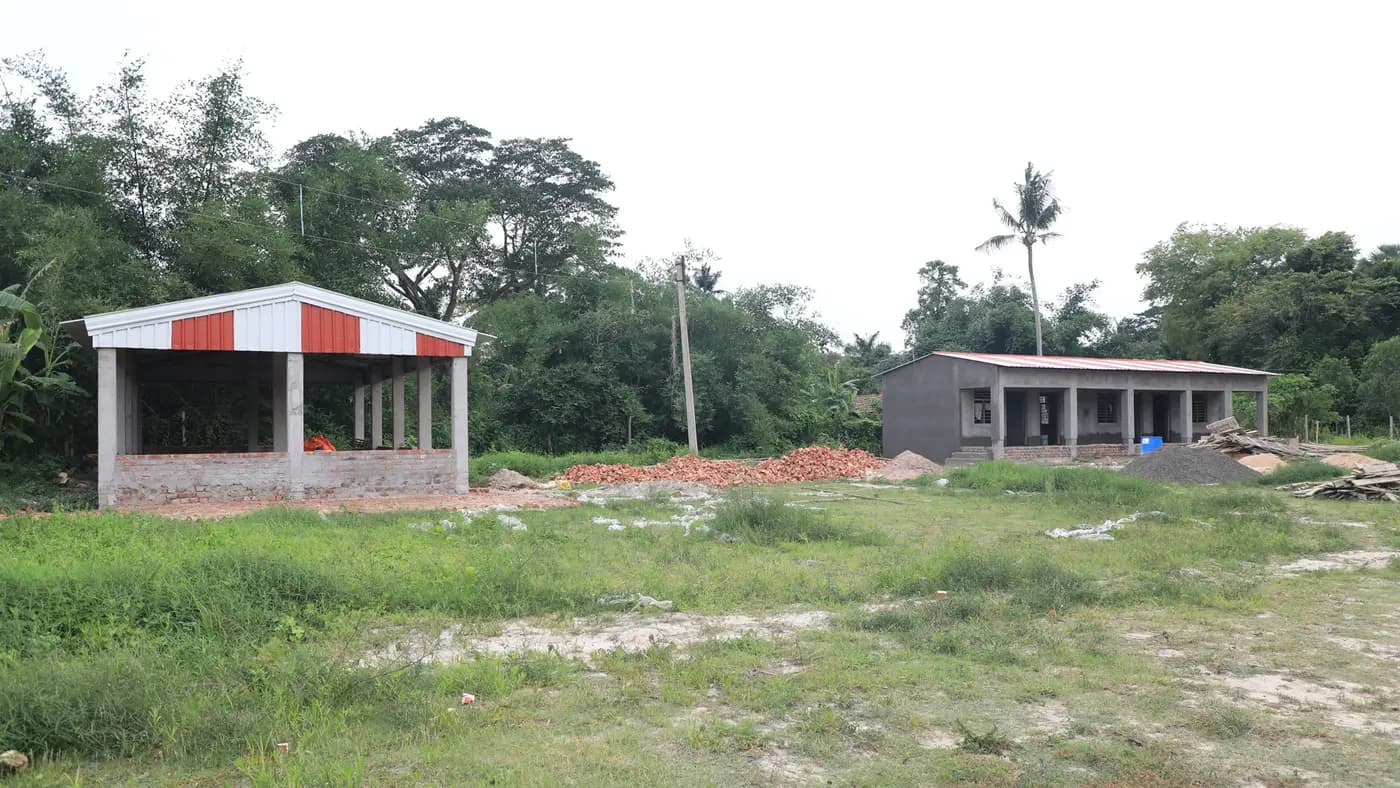
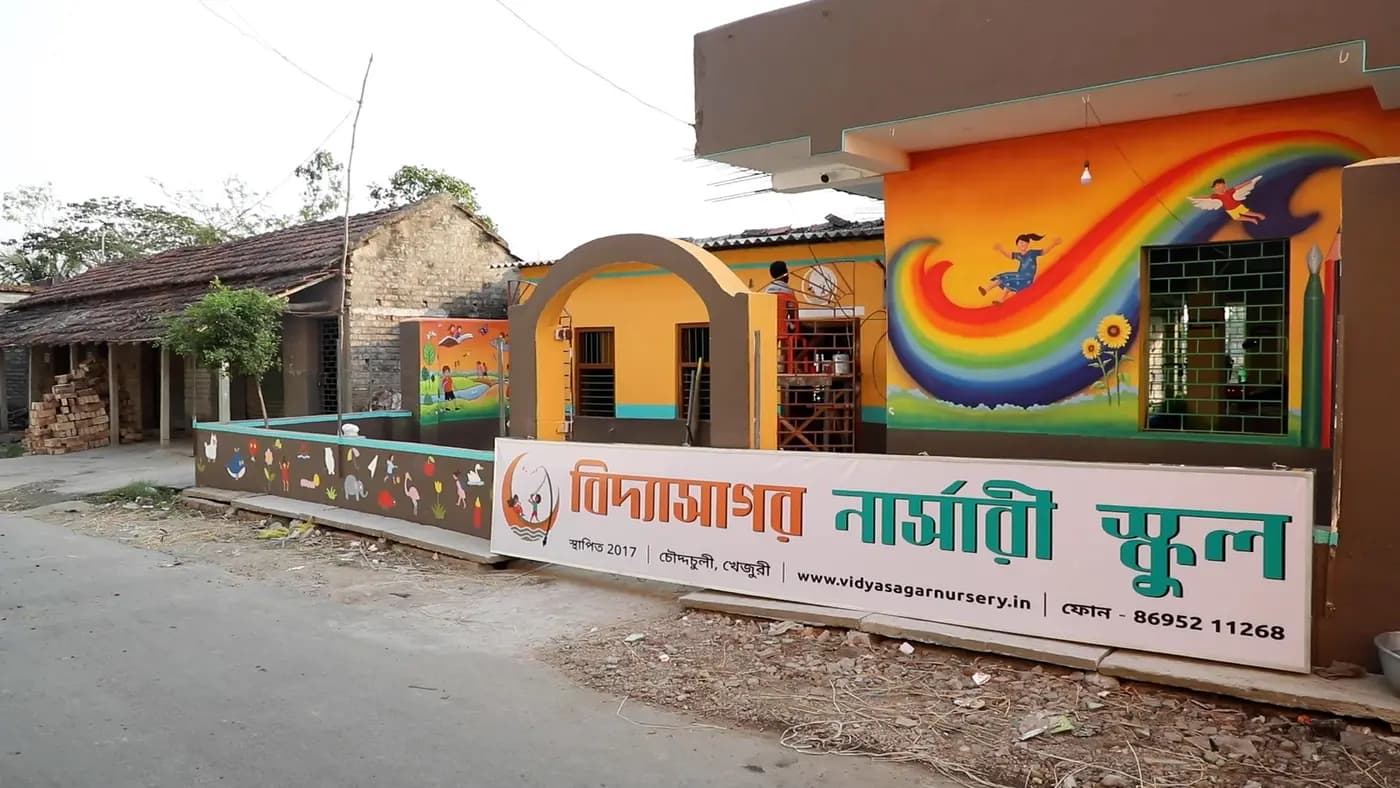
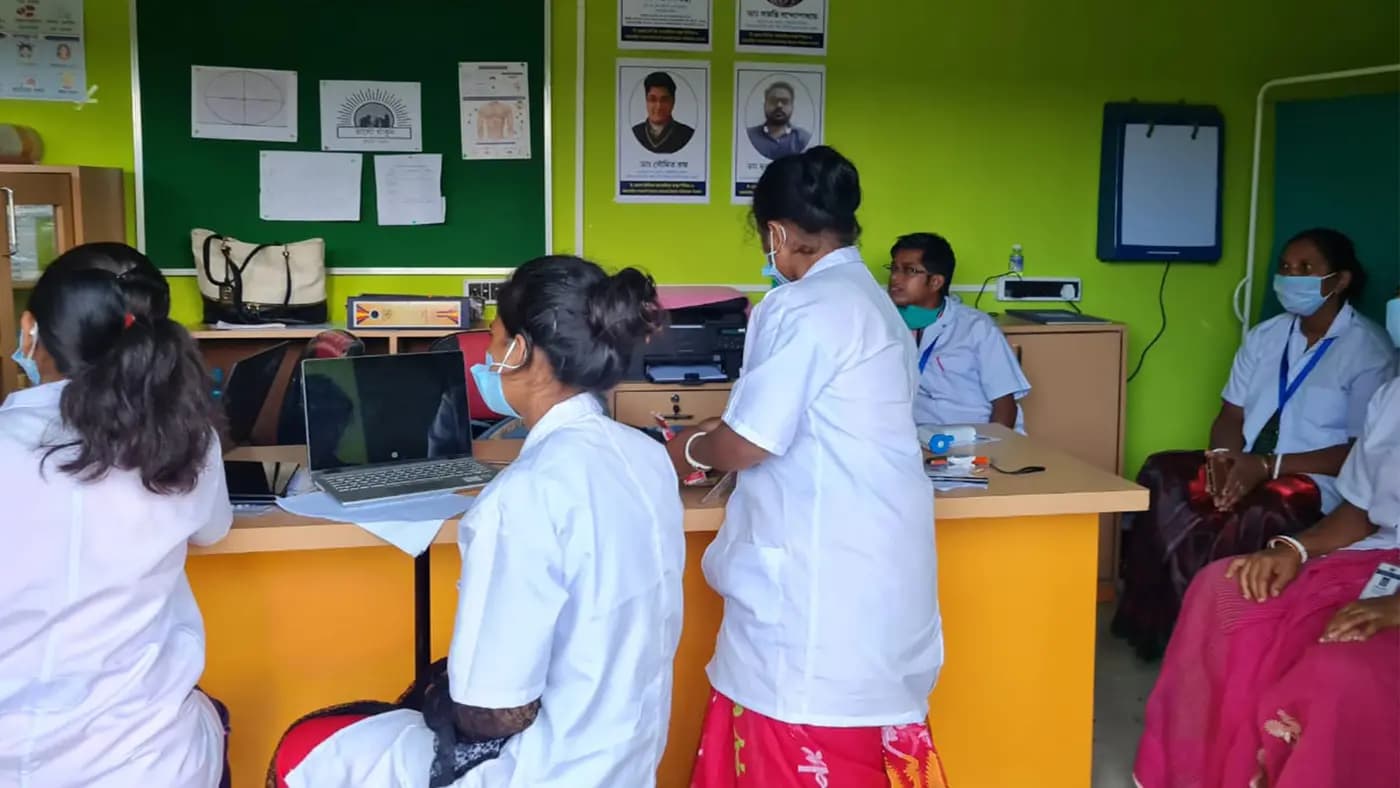
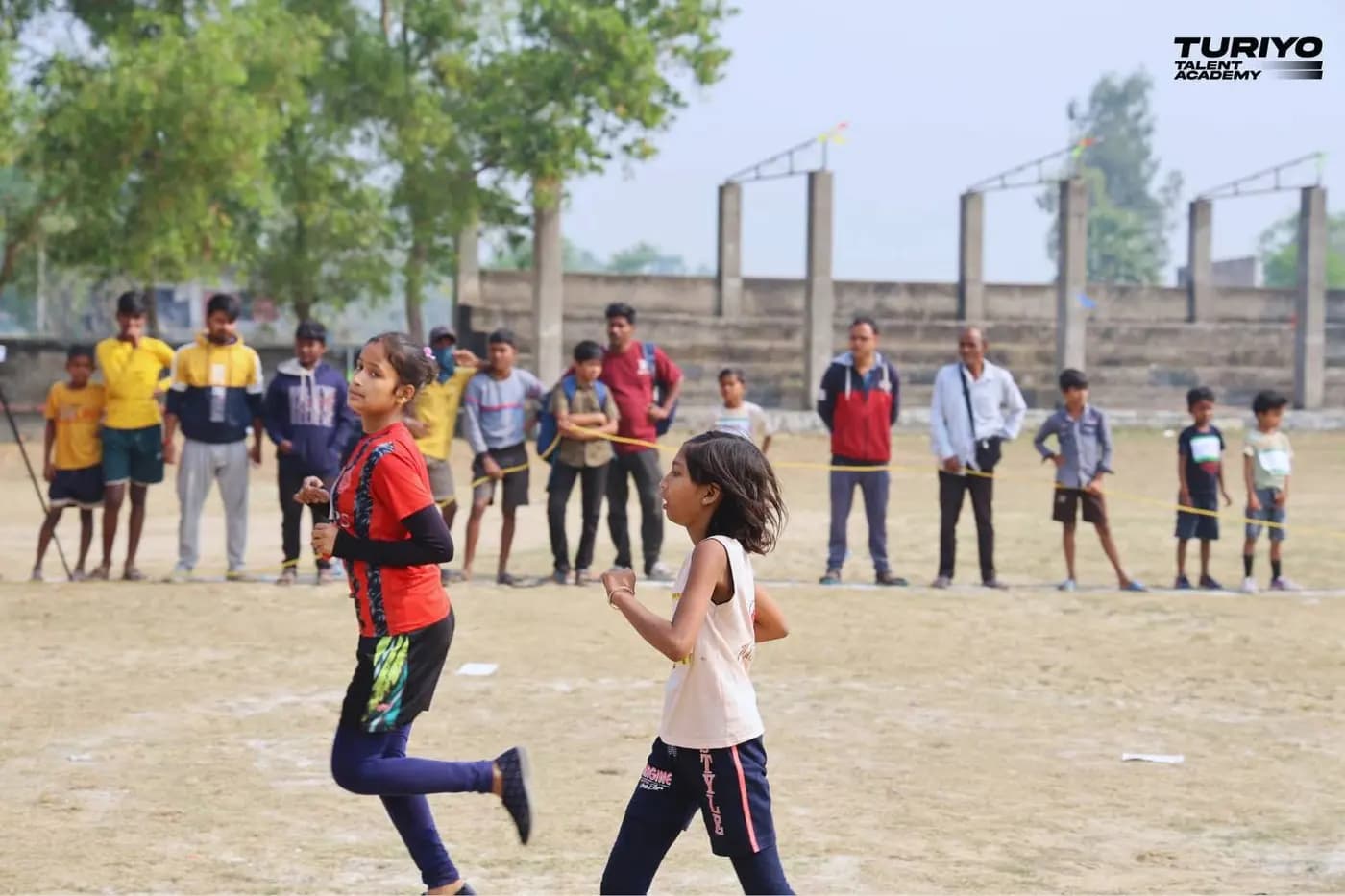
Book ahead →Since 2020 Turiyo has run programmes in this same cluster of villages — a nursery school, an alternative learning space built with students from Ringling College, a digital primary care clinic, and a rural sports talent programme that put five hundred children on a start line in February 2026. Those projects are complete or handed on. They are the reason we are known here.
The craft, the village and the learning behind Turiyo, as others have told it.
 BBC Travel · The World’s Table · November 2023Gohona bori: India’s heritage edible ornamentA visit to Chauddhachuli to watch gohona bori being made, with Turiyo’s project and the village’s winter workshops.Read the article
 OT Eats · Outlook Traveller · September 2026Gohona Bori: How Bengal Turned Lentils Into Edible JewelleryHow the craft is made, why it is fading, and how Turiyo Residency keeps it alive through a learning residency.Read the article
 The Cuisine Press (料理通信), Japan · June 2022Reviving “Gohona Bori”, the snack named for jewellery, by the hands of womenA Japanese food magazine on Turiyo’s project with village women in Purba Medinipur to bring gohona bori back.Read the article
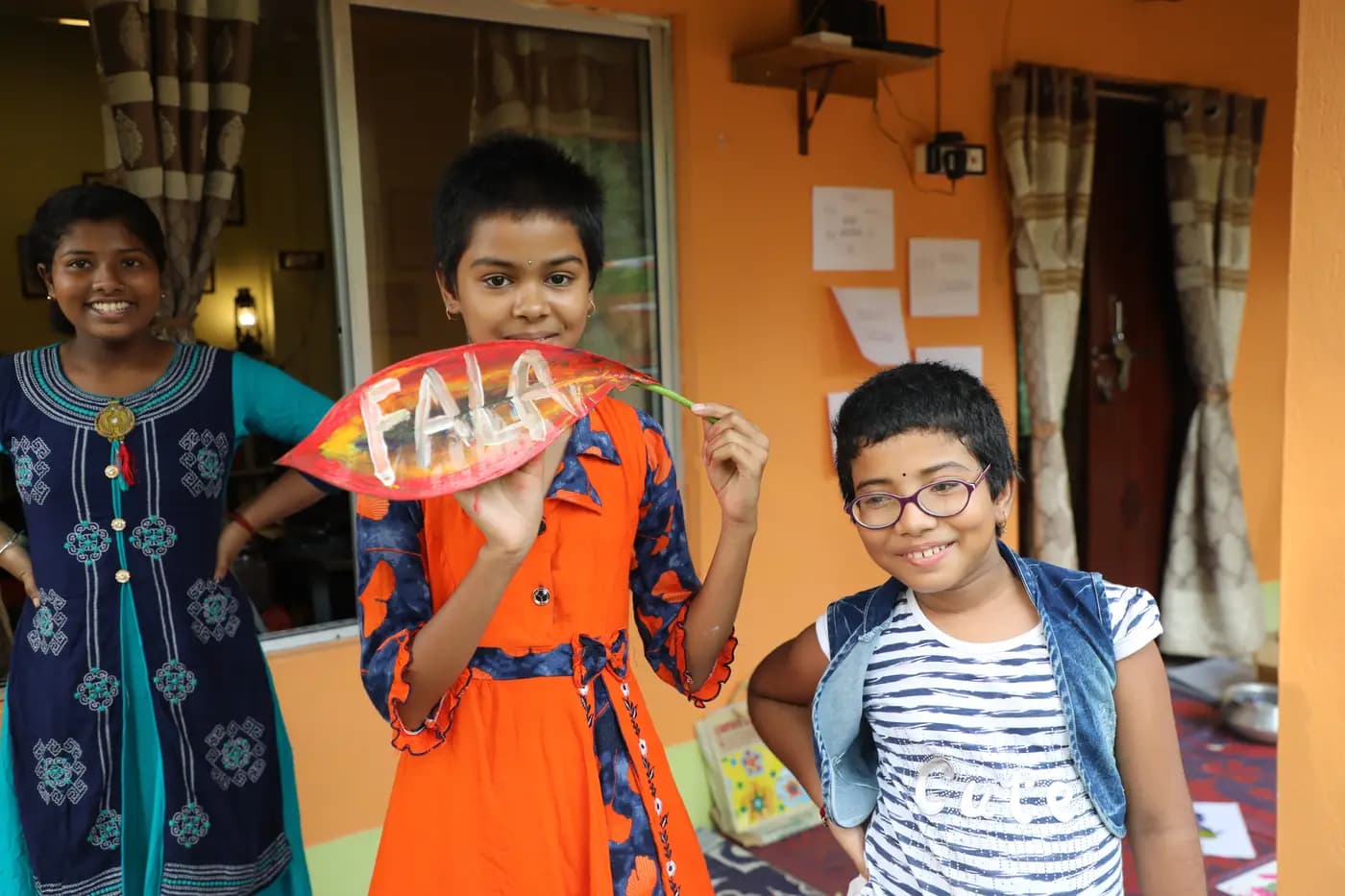
 The Telegraph · My Kolkata · July 2022Rohini Maiti on starting the Future Art and Learning Alternatives ProgrammeWhy Rohini Maiti started FALA: art and self-learning techniques to change how children in rural India learn, tried first in Chauddhachuli.Read the article
Tell us who you are and when you would like to come.
Apply for a session