June 2022
The Cuisine Magazine, Japan
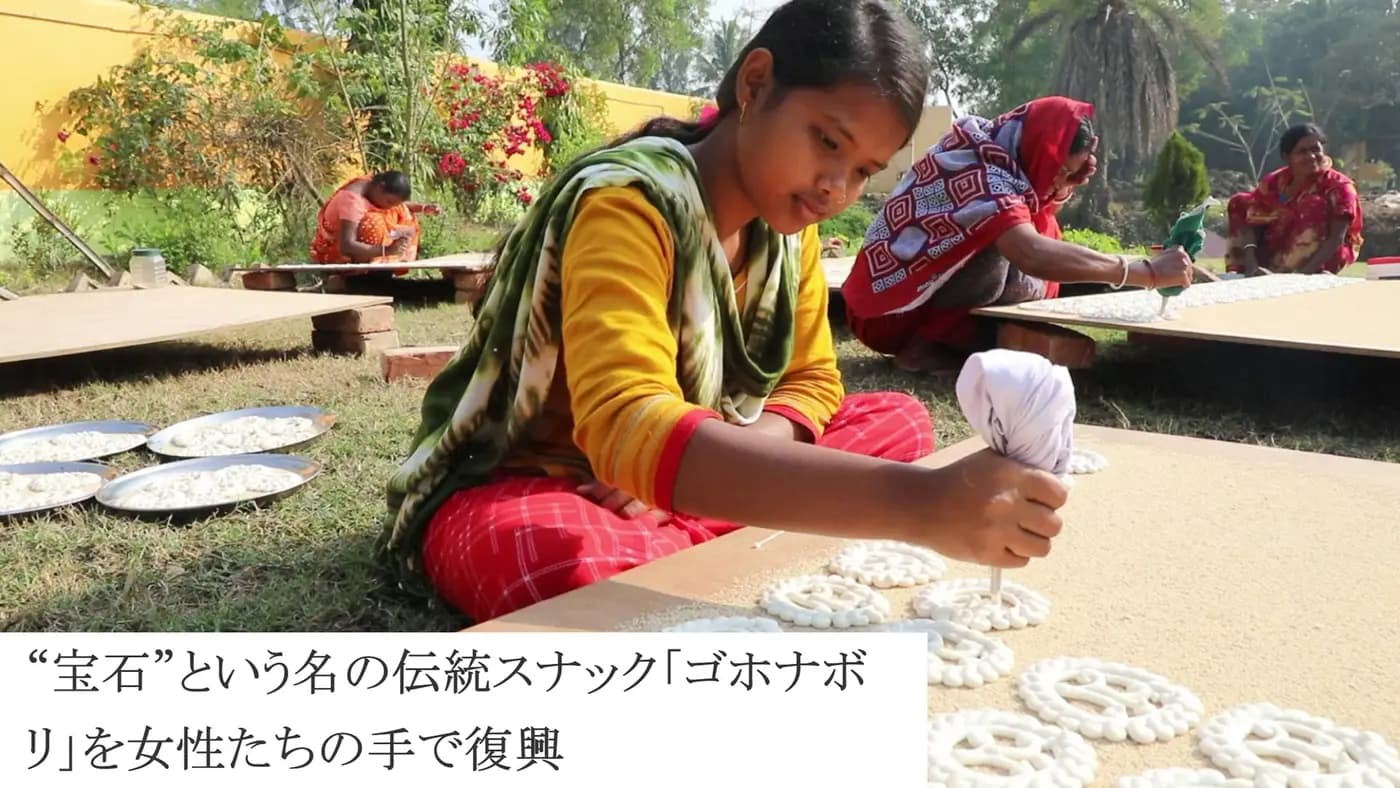
Turiyo Foods’ Gohona Bori project featured.
June 2022
Turiyo Foods’ Gohona Bori project featured.
Turiyo’s own posts from turiyofoundation.com, kept as they were written, with their original dates and categories. They record programmes that have since been completed or handed on. They are not news of current activity.
37 posts
 Food
 Education
 Learning
 Learning
 Learning
 Food
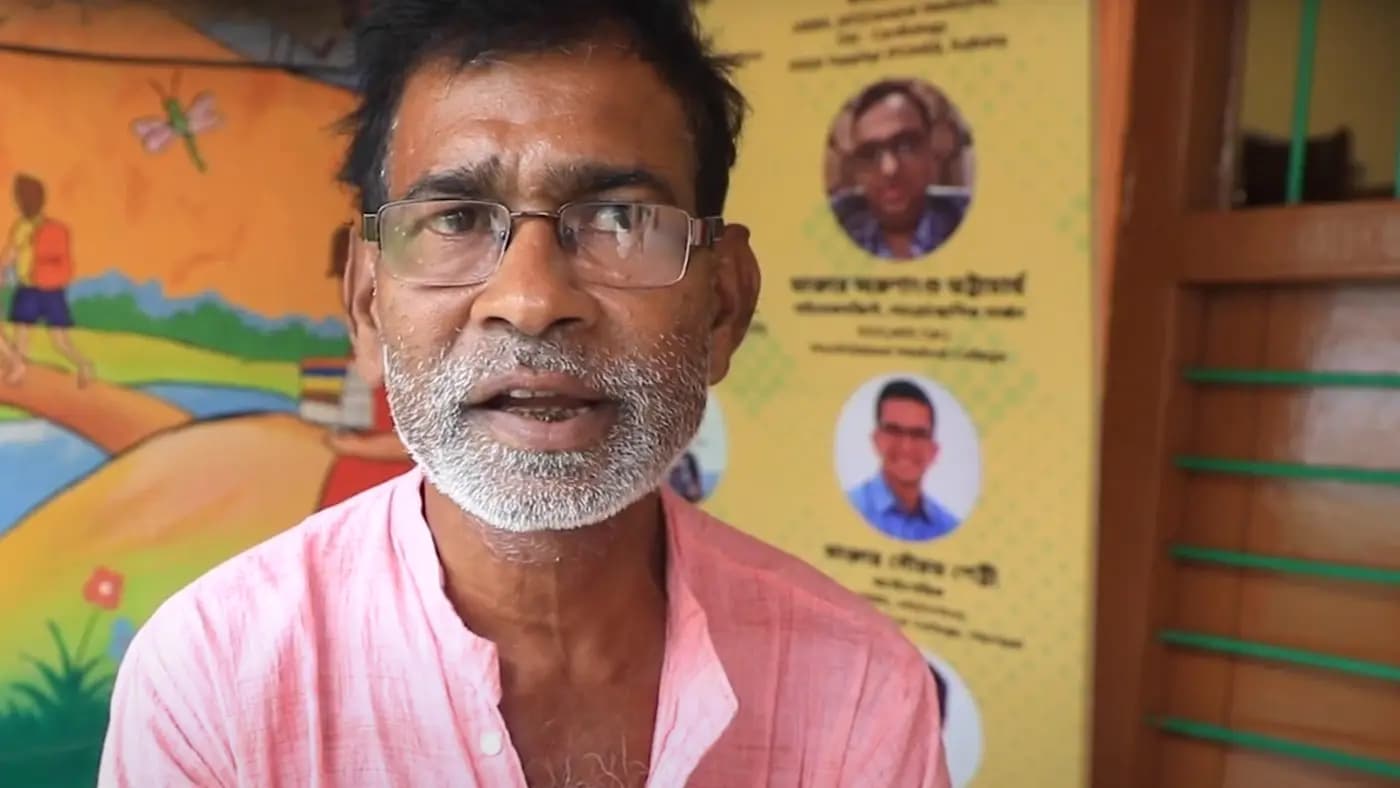 Health
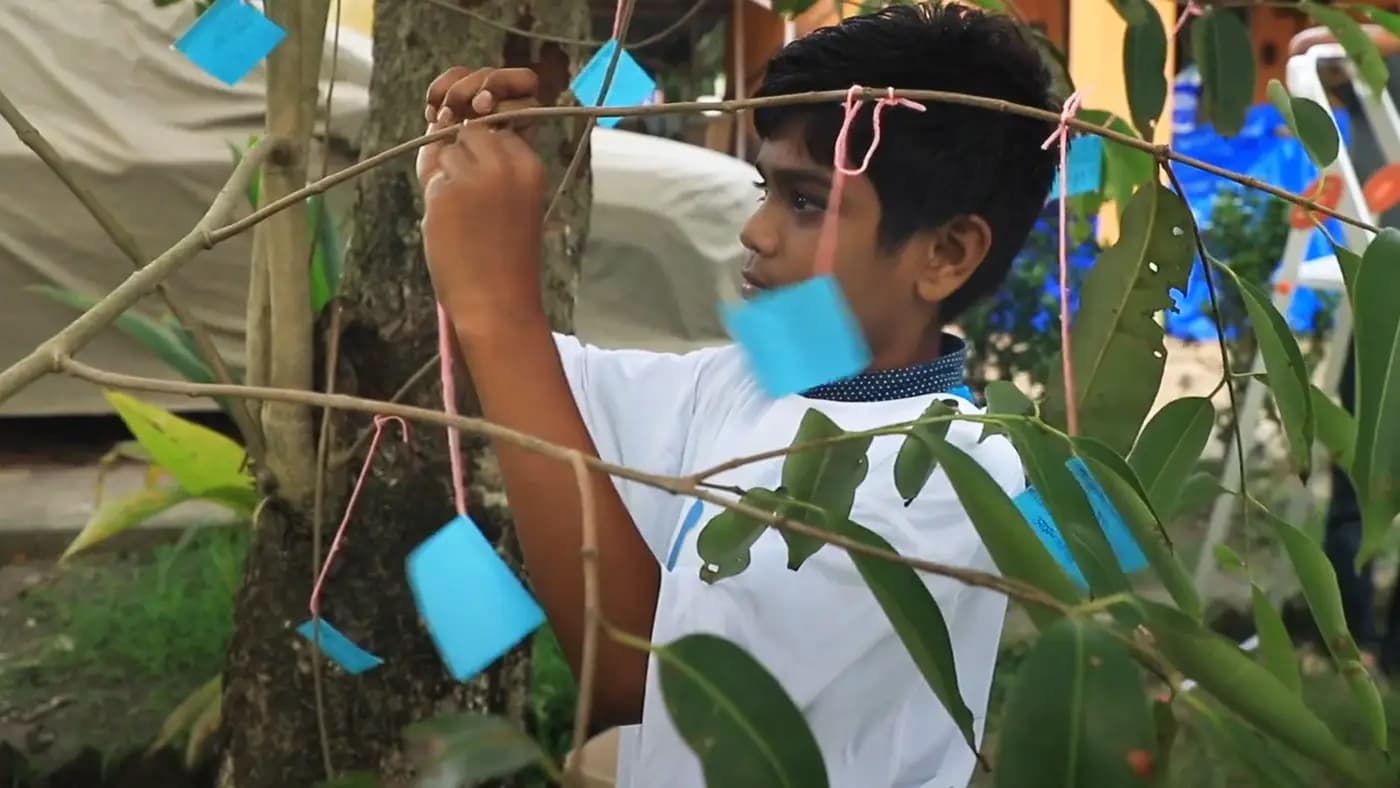 Learning
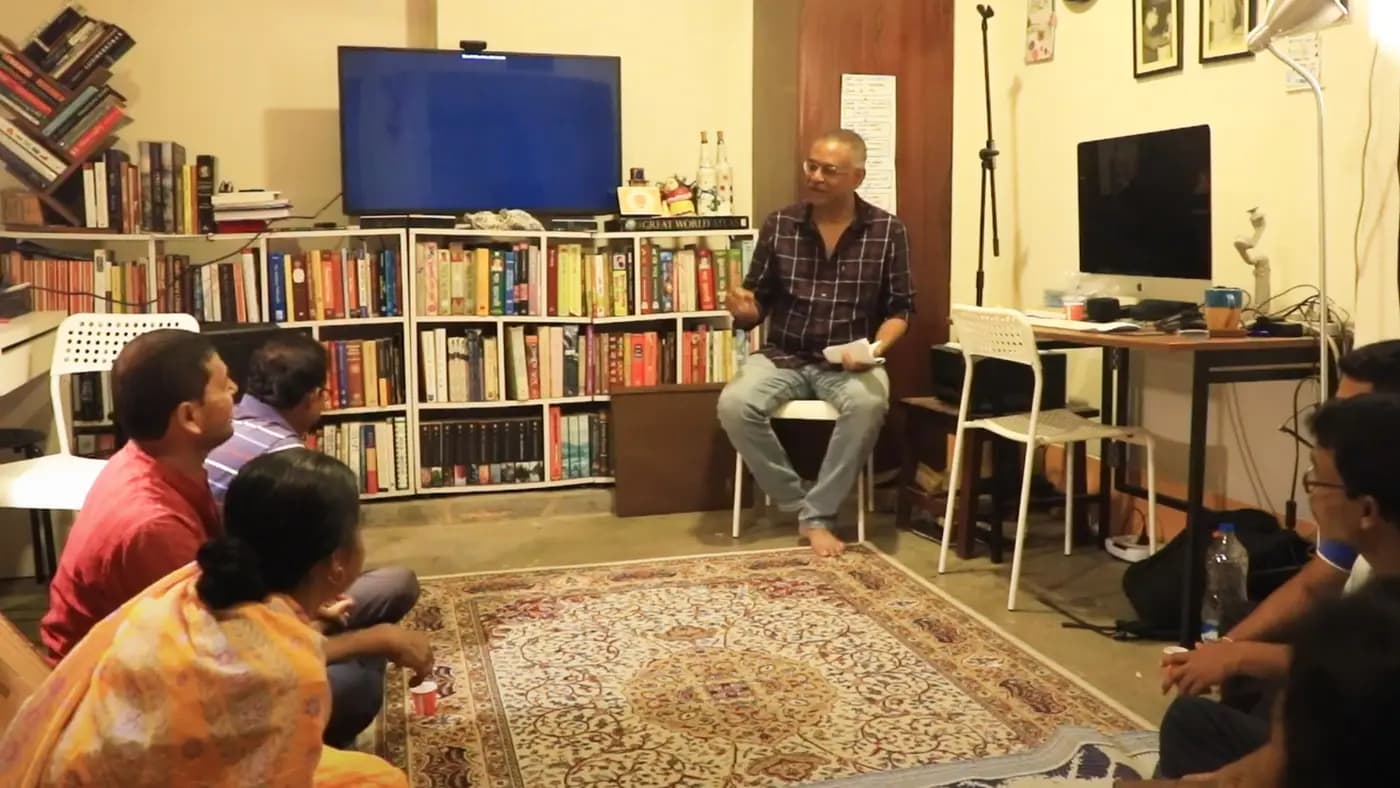 Learning
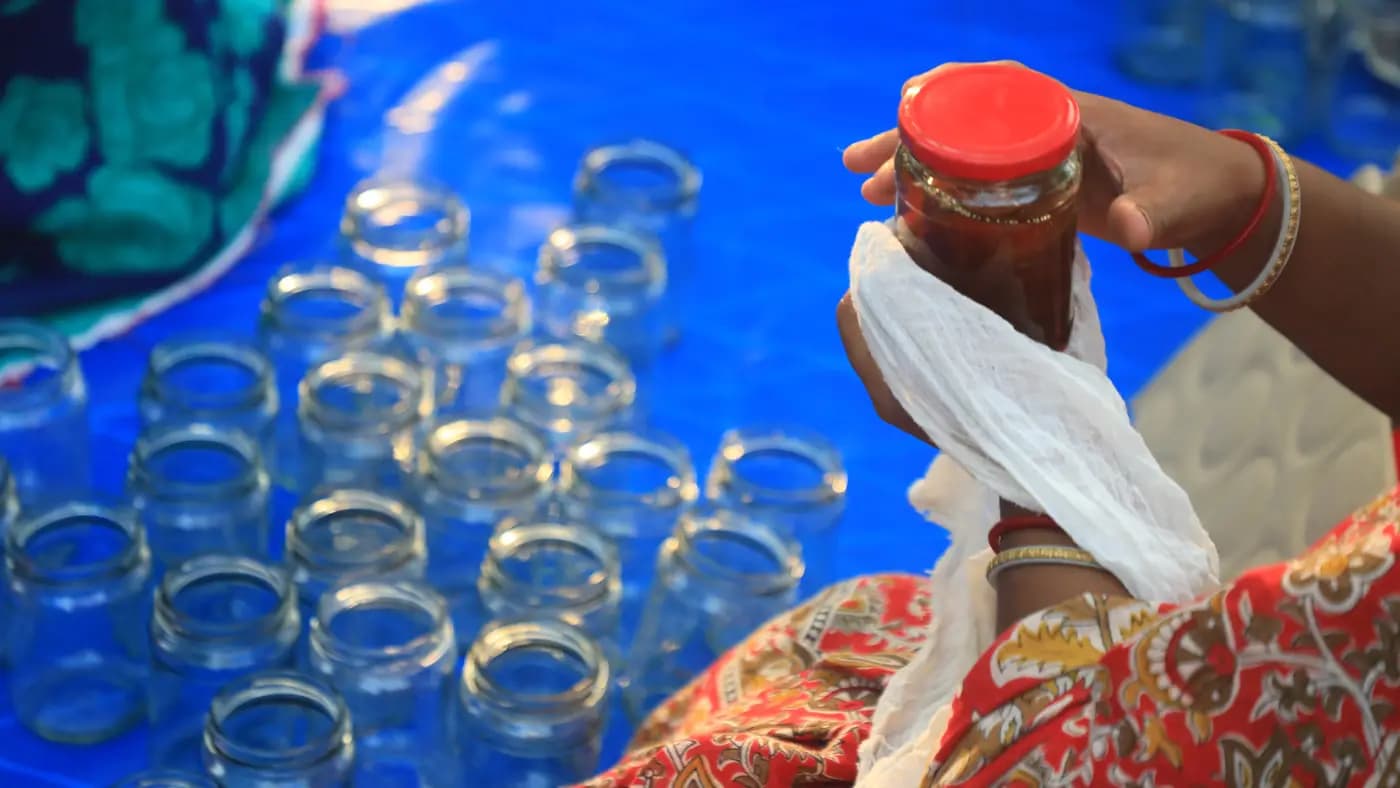 Food
 Learning
 Education
 Health
 Food
 Education
 Health
 Food
 Health
 Education
 Learning
 Health
 Food
 Education
 Health
 Food
 Education
 Learning
 Education
 Learning
 Education
 Health
 Learning
 Education
 Education
 Education
 Education
 Education
Two descriptions of the residency, and the material that goes with them.
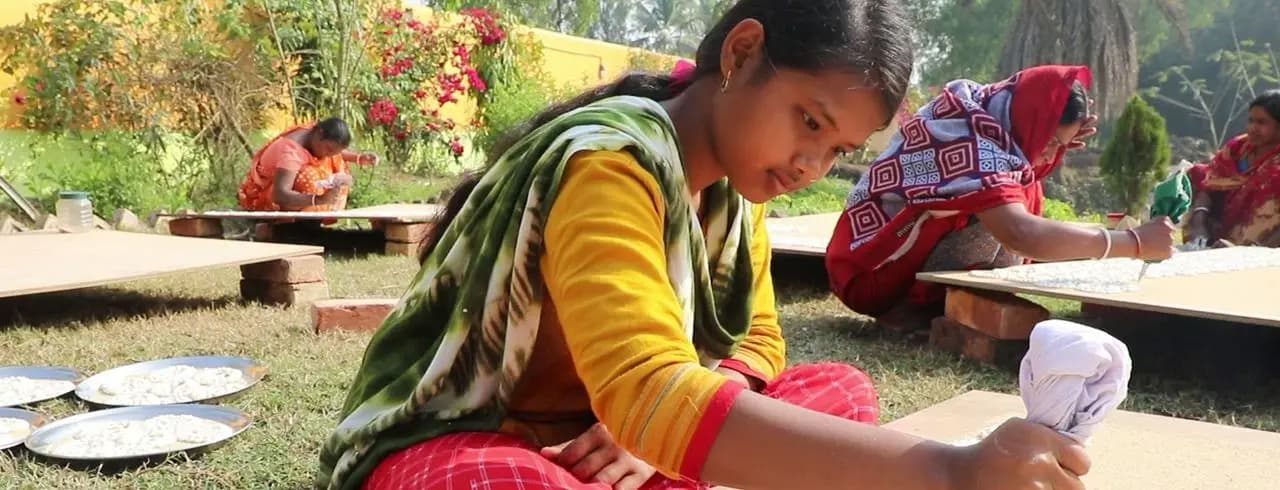
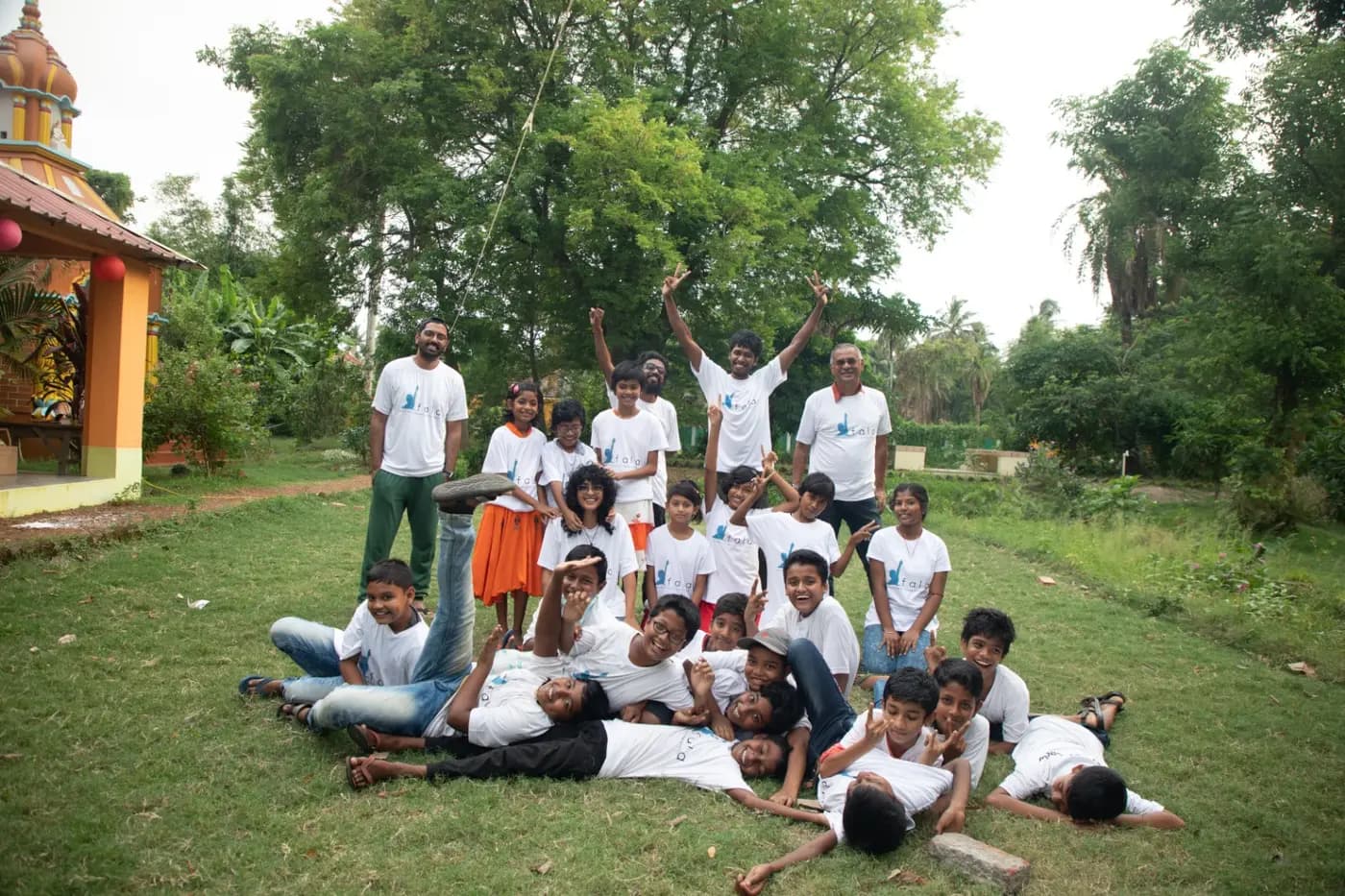
Each winter Turiyo Residency hosts a small number of people in Chauddhachuli, a village in Purba Medinipur, West Bengal, to learn Gohona Bori-making by hand, from the women who make it. Gohona Bori is a Bengali food art: lentil paste shaped by hand into jewellery, then dried in the winter sun. Fewer people make it every year. Sessions last two nights, run only between November and February, and host a handful of people each. Guests stay at the Maiti Bastu. The programme is curated by Shimul Sarkar, who runs it alongside his mother and a handful of local women.
Each winter Turiyo Residency hosts a small number of people who want to travel to Purba Medinipur and learn Gohona Bori-making by hand, from the women who make it. The programme is curated by Shimul Sarkar, who runs it alongside his mother and a handful of local women.
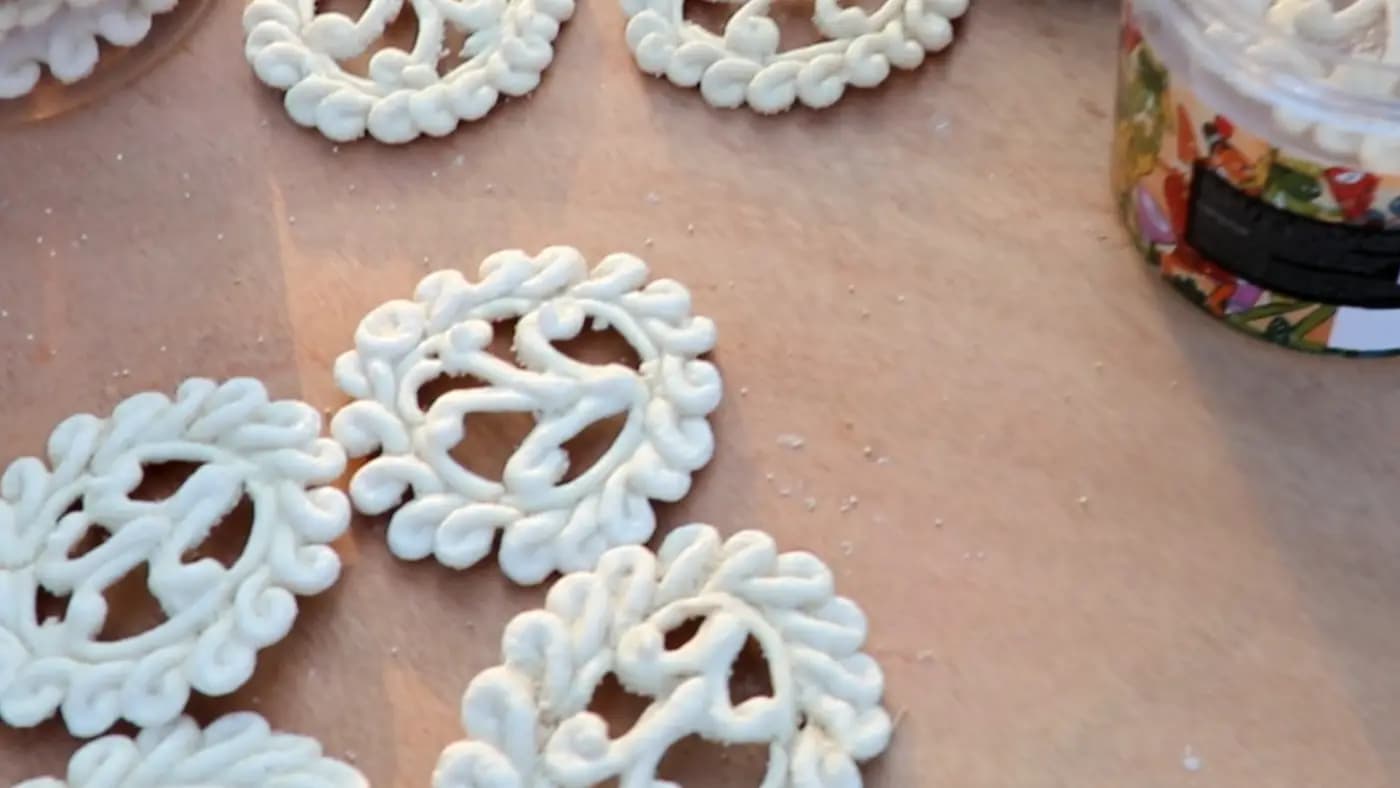
Gohona Bori is a Bengali food art. Lentils are soaked overnight, ground into a paste on sheel-nora, the traditional stone, seasoned, and piped by hand into patterns so fine they look like alpana drawn in relief. The shaped bori are set out in the winter sun to dry. ‘Gohona’ means jewellery. Fewer people make it every year.
A session lasts two nights at the Maiti Bastu in Chauddhachuli, a property of a little over two acres, nine generations old. The biuli’r dal goes into water on the first evening; next day the dal is ground and the batter whisked, and the bori are shaped and set out to dry. Everything participants make goes home with them. There is no syllabus and no certificate.
The batter needs cold air to rise and the bori need clear winter sun to dry, so sessions run only between November and February, each with a handful of people.
Turiyo began working on Gohona Bori in November 2021, planning to scale production and sell into cities. It moved away from that. The goal now is to keep the craft intact in its traditional form, and teach it to anyone genuinely interested in learning it.
Sessions are limited and this season runs December 2026 to February 2027. Tell us who you are and when you would like to come.
Apply for a session